
What’s Growing in Your Yard Matters More Than You Think
When we think about creating a healthier home for our families, most of us naturally focus on what’s inside. We choose safer cleaning products, pay attention to the ingredients in our food, and start being more thoughtful about the materials our kids sleep, play, and live around every day.
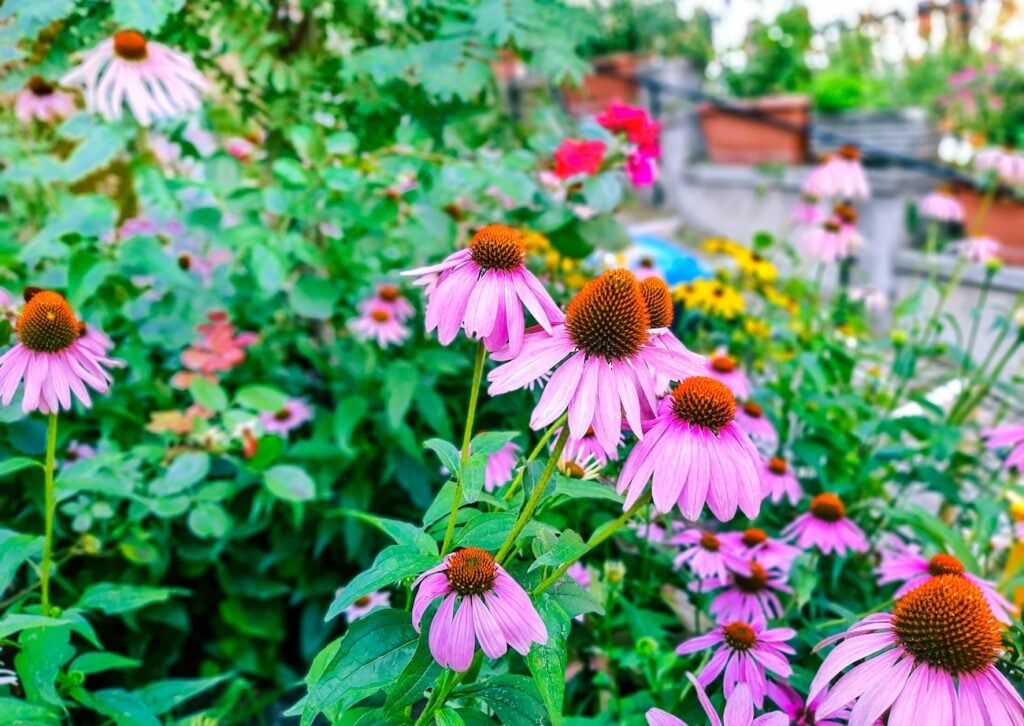
But the space just outside our door deserves similar attention. This is where the benefits of native plants can help us enhance our outdoor environment.
Our yards are where kids run barefoot, dig in the dirt, watch bugs, and begin forming their earliest relationships with nature. And what we choose to grow there can influence more than how our outdoor spaces look. The plants in our yards can affect how much water and maintenance they require, whether chemical treatments are needed, and how much food and habitat they provide for the birds, butterflies, bees, and other wildlife that share our neighborhoods.
For families looking to create a healthier, more nature-friendly outdoor space, native plants are a wonderful place to start.
It Starts With What You Plant
When we think about reducing chemicals in our outdoor spaces, lawn fertilizer, weed killer, and pest sprays probably come to mind first. Eliminating those products is an important first step for a pet and child-safe lawn. But the plants themselves are part of the equation.
Most ornamental plants sold at conventional garden centers are hybridized varieties bred for visual appeal. They were developed in controlled environments for shelf life and appearance, not for your local soil, climate, or insect populations.
Because native plants are adapted to local growing conditions, they often require less supplemental watering, fertilizer, and intervention than plants that aren’t well suited to the area. They can also provide something many ornamental plants don’t: the specific food and habitat local wildlife evolved to depend on.
The Benefits of Native Plants
Native plants evolved in your region over thousands of years alongside the local soil, climate, insects, and wildlife. They carry natural resistance to local pests and diseases, which is why they don’t generally need pesticide or fertilizer to thrive.
Avoid anything labeled ‘cultivar’ or ‘hybrid’ if you want true native benefits. True natives, grown from regionally appropriate stock, are the ones that eliminate the need for chemical inputs entirely.
Depending on the plants you choose and where you live, adding native species to your yard can:
- Reduce the need for chemical inputs. A plant that’s well adapted to local conditions is generally better equipped to handle the climate and other natural pressures without as much intervention.
- Use less supplemental water. Once their root systems are established, many native perennials can rely largely on normal rainfall, although this varies by plant and region.
- Provide food for pollinators. Native flowers provide nectar and pollen for bees, butterflies, moths, and other beneficial insects.
- Serve as host plants. This is an especially important distinction. Some insects don’t simply visit native plants for nectar—they need particular plants to reproduce. Monarch caterpillars, for example, can only eat milkweed.
- Support birds and other wildlife. Native plants can provide seeds, berries, insects, nesting material, shelter, and cover throughout the year.
- Create a more resilient yard. Plants suited to local growing conditions may be better equipped to handle your region’s seasonal temperatures and rainfall patterns.
- Give kids more nature to observe. More plant diversity can mean more bees gathering pollen, caterpillars munching leaves, birds searching for seeds, and seasonal changes happening right outside the door.
You don’t need to turn your entire yard into a native meadow to get these benefits. A garden bed, shady border, troublesome patch of lawn, or even a few thoughtfully chosen plants can be a good place to begin.
The Pollinator-Food Connection
Native plants support the pollinators our food system depends on. Bees, butterflies, birds, and bats all rely on native flowering plants for food and habitat. Conventional ornamental landscapes provide very little of that support.
Milkweed is one example. It is the only plant monarch butterflies can reproduce on, and monarch populations have declined severely as milkweed has been eliminated from roadsides and agricultural land through herbicide use. Planting native pollinator species in even a small section of the yard provides a habitat pollinators can’t find in a chemically maintained landscape.
For families already committed to organic food, the connection is direct. The fruits and berries on your table require pollination. Supporting pollinators in your yard is part of the same food system you support at the grocery store.
Native bees, caterpillars, beetles, moths, birds, and countless other creatures have evolved alongside particular plants. A native garden can provide nectar during blooming season, seeds and berries later in the year, and stems, leaves, and other habitat long after the flowers have faded.
This is also why a native garden doesn’t necessarily need to look perfectly manicured to be healthy. A chewed leaf might mean a caterpillar has found its host plant. Seed heads left standing can become winter food for birds. Hollow stems and fallen leaves can provide shelter for insects.
A Regional Guide to Getting Started
These plants are native to eastern and central North America and are among the most reliable choices for families planting their first chemical-free beds. All are perennials that return year after year without replanting.
Northeast and Mid-Atlantic (Zones 4 to 7)
- Purple coneflower (Echinacea purpurea): Full sun. Attracts bees and butterflies from midsummer through fall. Goldfinches feed on the seed heads in autumn.
- Christmas fern (Polystichum acrostichoides): Full shade. Stays green year-round and needs almost nothing once planted. A strong choice for shaded yards.
- Wild geranium (Geranium maculatum): Part shade. One of the earliest spring bloomers, providing food for bees when little else is flowering.
- Butterfly milkweed (Asclepias tuberosa): Full sun, well-drained soil. The only host plant for monarch butterflies. Produces bright orange flowers.
Southeast (Zones 7 to 9)
- Butterfly milkweed (Asclepias tuberosa): Full sun. Handles heat and humidity. Monarch host plant with vivid orange blooms.
- Swamp milkweed (Asclepias incarnata): Sun to part sun, moist soil. Ideal for low or wet areas of the yard. Supports monarch reproduction.
- Black-eyed Susan (Rudbeckia hirta): Full sun. Drought tolerant with a bloom season running from early summer through fall.
- Purple coneflower (Echinacea purpurea): Full sun. Tough enough for Southern heat. Feeds pollinators and songbirds across multiple seasons.
Midwest and Plains (Zones 3 to 6)
- Purple coneflower (Echinacea purpurea): Full sun. A prairie native that handles both cold winters and hot summers.
- Black-eyed Susan (Rudbeckia hirta): Full sun to part shade. Tolerates poor soil and dry conditions. Blooms for months.
- Butterfly milkweed (Asclepias tuberosa): Full sun, well-drained soil. Provides monarch habitat along the annual migration route.
- Wild geranium (Geranium maculatum): Part shade. Fills woodland edges with purple blooms in spring.
A Note on Western Regions
The species listed above are native to eastern and central North America. Families west of the Rockies should look for species native to their specific area and growing zone, as western plant communities differ significantly from those in the East.
Planting Tips for Families
Native gardening can be refreshingly simple, but “native” doesn’t mean a plant can be placed anywhere and forgotten. A little planning makes success much more likely.
Plant in fall. Roots establish over winter and produce stronger plants by spring. It is the best planting window for most native perennials.
Skip the fertilizer. Native plants evolved without it. Adding fertilizer pushes leaf growth at the expense of blooms and root development.
No pesticide, ever. The entire point of planting natives is to support insects. Applying pesticide to a plant meant to feed pollinators defeats the purpose.
Water only in the first season. Help the plants establish by watering during their first growing season. After that, step back. They are adapted to local rainfall and do not need ongoing irrigation.
Let children lead. Give each child a plant to be responsible for. Checking on it daily turns the garden into a routine rather than a chore. Children who watch a caterpillar feed, form a chrysalis, and emerge as a butterfly in their own yard will remember it. That is not something you can replicate with a screen or a worksheet.
Your Lawn as Part of Your Child’s Nature Education
One of our favorite benefits of creating a more nature-friendly yard has very little to do with landscaping. It gives kids a place to develop a relationship with nature without having to go anywhere.
A child can visit the same milkweed plant in their pollinator garden every morning looking for a monarch egg. They can notice which flowers bees visit most often, watch a spider rebuild its web after a storm, or see goldfinches arrive when summer flowers begin producing seeds.
You can make this as intentional or unstructured as your family enjoys. Try keeping a simple nature journal, photographing the same plant once a week, counting the different pollinators you see, collecting fallen seeds, or letting your child choose one native plant to tend.
It doesn’t have to be a lesson. Simply having a place where children can regularly observe the rhythms of the natural world helps build familiarity with it. The first blooms of spring, caterpillars appearing on leaves, flowers going to seed, and birds returning at certain times of year become things they begin to anticipate and recognize.
That sense of connection is one of the reasons we believe time in nature matters so much for kids. A backyard filled with life makes nature less of a destination and more a part of everyday childhood.