Babymint Founder Fiona Liu on Secondhand Baby Gear & Community
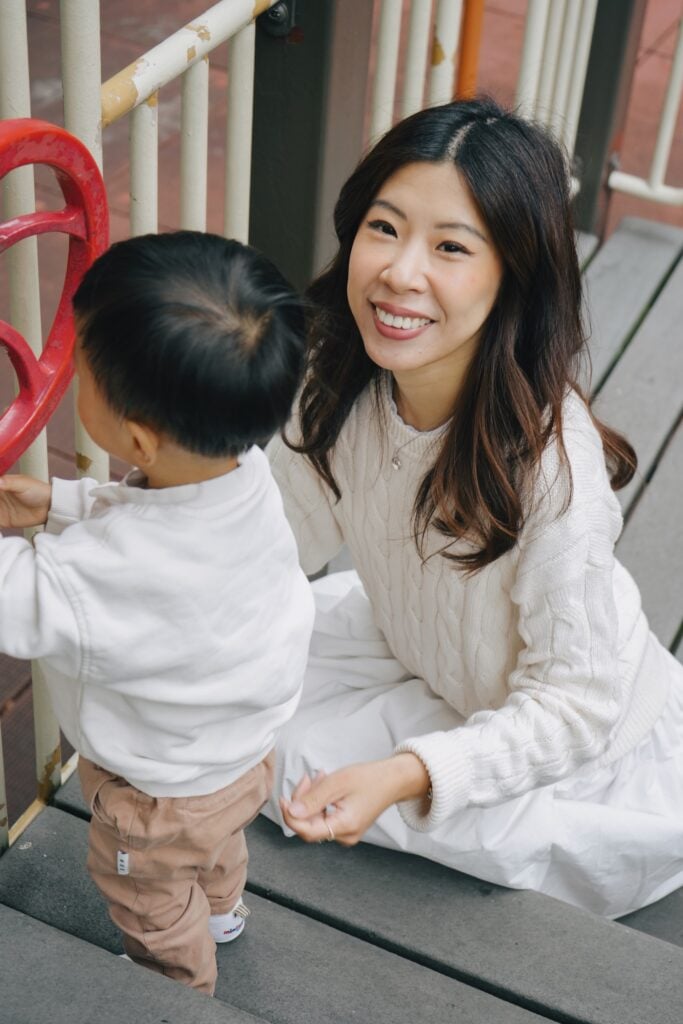
As we help families embrace conscious parenting, we love spotlighting changemakers who are making it easier to live out those values. Fiona Liu is the founder of Babymint, a peer-to-peer marketplace dedicated to secondhand baby gear. See how Babymint is a growing movement around sustainability, mindful consumption, and community support.
The Idea Behind Babymint
Amity Hook-Sopko: Let’s start with what inspired you to create Babymint. What problem were you hoping to solve for new parents?
Fiona Liu: Babymint is a secondhand marketplace dedicated to baby products like strollers, gears, baby clothes, and toys. It’s kind of the first of its kind as a peer-to-peer platform that helps parents shop smarter, save money, and, most importantly, create more sustainable and conscious parenting habits at home.
The idea came to me when I was pregnant. I knew I wanted to use secondhand gear, but I quickly realized there wasn’t a dedicated space that made it easy or safe. I spent hours researching strollers, then tried to find the same model on Facebook Marketplace, but the experience was frustrating. It’s a general platform where you’re sifting through everything (cars, couches, random things) and there’s no parenting community or guidance.
And then the actual transaction process was less than ideal. You’re messaging strangers, handling cash, meeting in random locations. After I had my son, I knew there needed to be a better way. So I started building a platform where parents could connect, share, and shop secondhand with confidence.
Amity: You mentioned you were already interested in secondhand before you became a mom. I think there’s this message in the baby industry that if we buy all the “right” gear, we’ll be better parents. And generally we’re being marketed brand new items.
Fiona: As a millennial, I was already shopping secondhand for myself. We’ve been trained by The RealReal, Poshmark, right? We know how wasteful the fashion industry is and how much overconsumption leads to overcrowded landfills.
But when it came to baby gear, even though I was trying to do things differently, the options just weren’t set up to support that.
Secondhand shopping for babies is still a big cultural shift. People still create brand-new baby registries and default to shopping new. And there hasn’t been a Poshmark for parenting or a destination where secondhand baby items are trusted, organized, and easy to buy or list. That’s what we’re building with Babymint.
Shifting Mindsets Around “Used” Baby Gear
Amity: Yes, the cultural shift has to start with the parents (and maybe grandparents). When kids are little, they’re not influenced by marketing or their peers yet.
Fiona: Exactly. My son loved every secondhand item I got him. A scooter that another child had decorated with stickers? He thought it was the coolest thing. Kids are so pure. They absorb how we feel about things.
We want to make secondhand feel like a completely normal choice, not like a compromise. Yes, the economic consideration is a huge component. We love helping families get really good quality items within their budget. At the same time, I think we also want to shift people’s mindset that buying secondhand doesn’t mean anything negative about them.
We educate sellers not to list worn-out items. If an item is not in good condition, we suggest donating or recycling instead.
Some things, like car seats, are more sensitive. If you don’t have full confidence in the item’s history, we don’t recommend buying secondhand. But for everything else – especially when parents have the right information – they can make informed, sustainable choices. That’s our goal.
A Local-First Approach to Sustainability
Amity: Is Babymint focused in New York, or are people using it from other areas too?
Fiona: We’re still focused on local activation here in NYC – mainly Manhattan and Brooklyn – because local pickup is a key part of what we’re doing. We want to reduce emissions, avoid shipping bulky items like cribs or strollers, and create real connections between nearby families.
You’d be surprised how often people live just a few blocks from each other and don’t realize they could be sharing resources. With Babymint, sellers list their zip code (not their full address) so buyers can see how close they are. After a purchase, the detailed pickup info is shared privately. It’s all about convenience and safety.
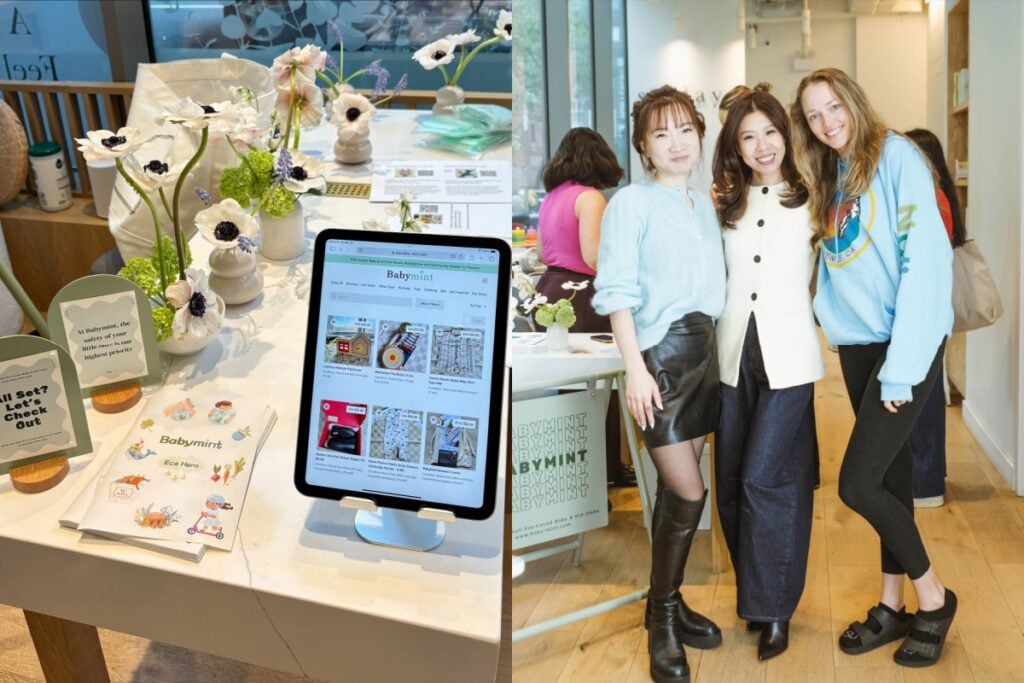
Amity: Our readers are interested in the Back to Local movement. Your service and events clearly offer parents the opportunity to give back and meet other people.
Fiona: Exactly. New parenthood can be isolating, and we were looking for local community initiatives since we launched. We created a bag system where one is for selling on Babymint, and the other is for donation. In my son’s nursery, those two bags hang side by side. Every quarter, we go through his things and decide what to keep, sell, or donate.
We’ve done several diaper and clothing donation drives with a local nonprofit called Little Essentials. They’ve supported New York families for 15 years, providing baby gear and supplies to low-income households. A lot of parents have extras (diapers their baby outgrew, clothes they didn’t use) but they don’t know where to donate, or it feels like too much effort. We’re trying to remove that friction and make donation feel just as natural as decluttering.
Building Community Through Parenting
Amity: What moments have felt especially meaningful for you so far?
Fiona: For me, it’s the connection. Even though Babymint is an online platform, local pickup lets us interact with real parents.
We verify every user. Sellers list when they bought the item, and for strollers, cribs, or car seats, they have to include the manufacturer year. These products can have an expiration date, so that kind of transparency is key. It’s not like Marketplace, where you have to guess or hope for the best.
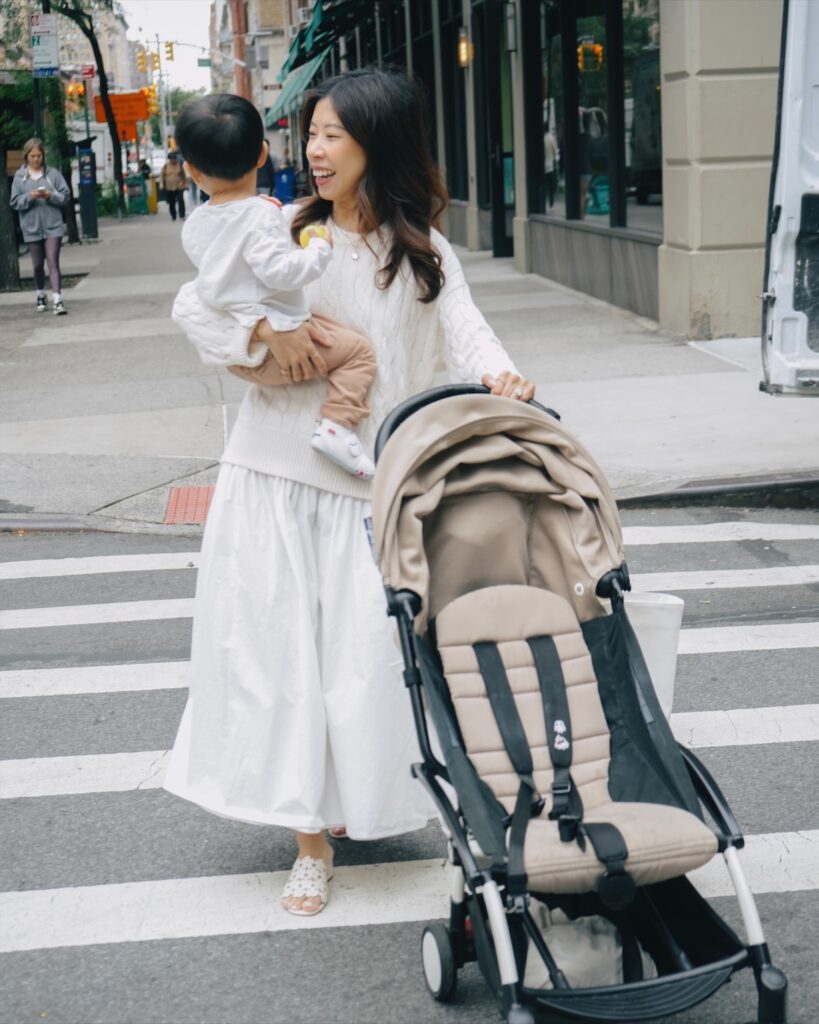
One mom came to pick up an Uppababy stroller my son had used. I told her how stable it was for New York’s bumpy sidewalks and that the brand even has a hub in Brooklyn for repairs and deep cleaning. That kind of insider knowledge is so valuable. We’ve had many expecting moms pick up gear and end up chatting with us about parenting, products, and neighborhood tips.
Raising Kids as Caretakers, Not Consumers
I recently talked with another mom who said she encourages her kids to be caretakers of their belongings. Not only because maybe they’ll want to sell it in the future, but it’s just for the whole life cycle of the items we own. If everyone could be a little more mindful in taking good care of things and then passing them along, we can truly be more sustainable.
Amity: I love that framing of being a caretaker. It naturally lends itself to being more of a minimalist because it’s hard to take excellent care of a thousand things at once.
Fiona: Yes! My son is still little, but even when he was two, he understood when I said, “Can you put that toy in this bag to give to another baby?” Now it’s part of our regular rhythm. I hope when he’s older, he’ll understand even more deeply.
And it’s not just about toys. In this world of AI and nonstop efficiency, we have to keep our kids grounded in what it means to be human. That starts at home – learning to care for others, care for the planet, and care for their things.
We’ve started doing pop-up events in New York where families can come, see and touch the items, let kids pick something to take home, and parents can connect over coffee. If one day, we can expand nationwide, I want Babymint to be a space where secondhand shopping feels joyful, and where people build and really feel a sense of community.
Trust, Transparency, and Safer Resale
Amity: What’s been the biggest challenge?
Fiona: Building trust. We’re a new brand, and we don’t have widespread name recognition yet. When I meet parents at local events, they get it – they understand the mission, and they’re excited to participate. But online, it’s harder to cut through the noise.
Bigger companies have the ad budgets to be everywhere. I know it takes time, but I believe in Babymint’s vision. We’re here to help shift culture, to help parents build better habits that benefit their families and the planet.
Tiny Chair Talks and Parenting as Activism
Amity: Tell me about Tiny Chair Talks. I love the name!
Fiona: Thank you! Tiny Chair Talks is a video interview series I started in my son’s nursery. It’s filmed using two tiny toddler chairs he plays on every day. I invite fellow parents to sit with me and talk about parenting, work-life balance, and how they’re contributing to a better world.
There’s one question I ask every guest: “What kind of world do you want to create for your children, and what are you doing today to shape that future?”
It’s simple, but the answers are always powerful. One of my first guests was a sustainability manager at Eileen Fisher and another was a wellness coach. What connects them all is this shared desire to build a better future for our kids.
Tiny Chair Talks is my way of spotlighting the many forms of parenting activism – whether through business, community, or small everyday actions. It reminds me that even when the work is hard, I’m not doing it alone.
You can learn more about how the secondhand baby gear process works at Babymint’s website. And follow Fiona and Babymint on Instagram.
And find our baby gear guides here.