
Non-Toxic Backpacks for Kids by Age
School age kids spend a lot of time in close proximity to their backpacks. If you’re looking for a non-toxic backpack this school year, make sure you know which materials are safe and which aren’t.
While most parents compare size, durability, and price, fewer realize that some backpacks may also contain PVC, PFAS (forever chemicals), phthalates, or other materials they’d rather avoid. The good news is that many brands now offer non-toxic backpacks made with safer fabrics like organic cotton or PFAS-free synthetic materials.
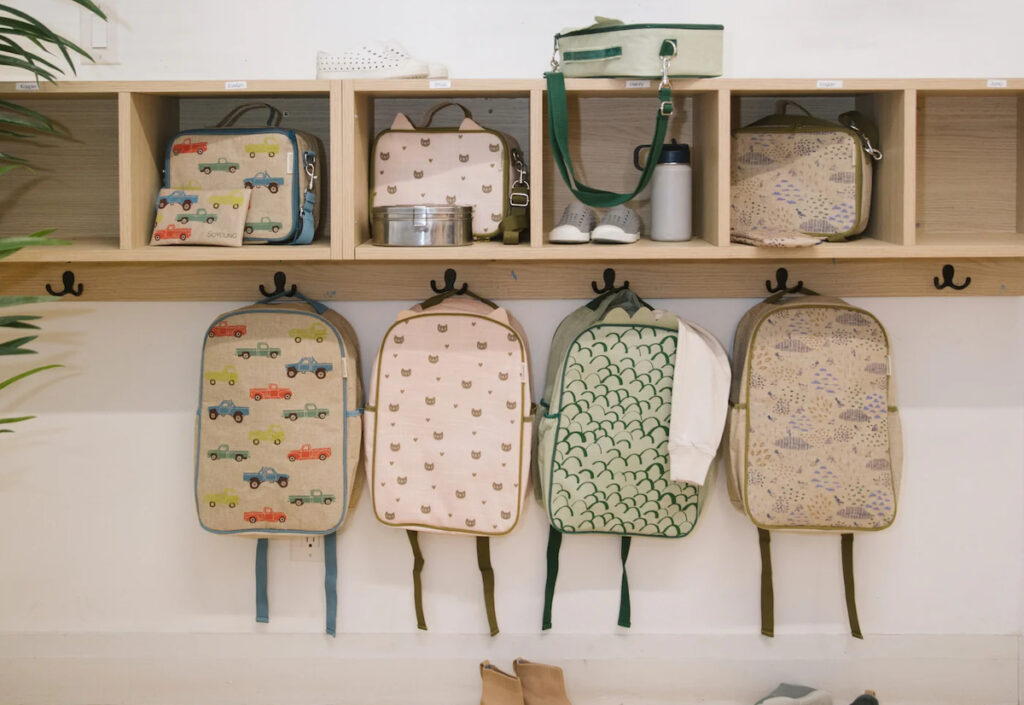
This article outlines harmful materials to avoid and recommends backpacks from brands that use safer materials.
Once the back-to-school season begins, there are so many decisions to make. From drowning in school supply lists to buying clothes for a growing child to making a healthy lunch that they’ll actually eat, decision fatigue is real.
That said, backpacks are a place where quality matters. Sure, they make quick trips to and from school. But sometimes, they hang them on students’ chairs, or older kids wear them all day, so the kids are in contact with them regularly.
There are plenty of durable, non-toxic, and eco-friendly backpacks available to last the long haul, so making an informed purchase is a great way to reduce chemical exposure and save your budget!
Toxic Chemicals in Backpacks
We’re always looking to purchase from companies that commit to not polluting the earth and for products that won’t end up in landfills.
This is important no matter how old your children are. If you can get backpacks that last the long haul or pass them down to your younger children, you’ll reduce your spending over time.
First, it’s important to know which common backpack materials to avoid and which to look for when confirming their non-toxicity or low toxicity.
Toxic Materials to Avoid
PVC – Polyvinyl Chloride is flexible plastic found in some backpacks for kids, and recognizable by it’s shiny plastic look. PVC contains lead, phthalates, and BPA. The production of PVC also pollutes the environment.
PFAS – These chemicals make fabric waterproof. PFAS are considered forever chemicals, and they are linked to a whole host of health problems.
Phthalates – These chemicals make PVC soft and flexible, which is noticeable in many children’s backpacks. They are suspected endocrine disruptors and have been linked to neurodevelopmental problems in children.
Lead – Another chemical that is used in the production of PVC and found in the materials of children’s backpacks. Lead exposure has known serious health effects on children’s neurological development.
Recycled plastic or polyester – This can be a tricky one. Recycled polyester can reduce waste and is used by many reputable outdoor brands. However, because it is still a synthetic material, look for companies that also disclose their chemical policies, including PFAS-free water repellents and certifications like bluesign® or OEKO-TEX®.
Certifications to Look For
While no certification guarantees a backpack is “perfect,” these labels can help you identify brands that prioritize safer materials, responsible manufacturing, and greater transparency.
- The bluesign® system works with manufacturers to reduce harmful chemicals throughout the textile production process. It also promotes responsible use of water, energy, and other resources. A bluesign-approved backpack is a good sign that the materials were made with both human health and environmental impact in mind.
- GOTS (Global Organic Textile Standard) is the leading certification for organic textiles. It verifies that fibers like cotton are organically grown and sets strict environmental and social criteria throughout manufacturing. It also restricts the use of many hazardous chemicals during processing.
- OEKO-TEX® STANDARD 100 tests finished textiles for a long list of potentially harmful substances. While it doesn’t mean a product is organic, it does provide reassurance that the final fabric has been tested to meet strict safety standards.
- Fair Trade certification focuses on the people who make the products. It helps ensure safe working conditions, fair wages, and ethical labor practices. While it isn’t a chemical safety certification, it’s a meaningful indicator that a company is committed to responsible manufacturing.
- Many outdoor and backpack brands now state when their products are made without intentionally added PFAS (forever chemicals). Because these chemicals have historically been used to make fabrics water- and stain-resistant, a clear PFAS-free statement is an important factor to look for when comparing backpacks.
Non-Toxic Backpack Materials
Organic cotton or canvas – Any natural fibers like cotton, canvas, or hemp are great for kids’ backpacks. They won’t be as waterproof as other materials, but using otter wax or soy wax can definitely help.
Nylon and polyester – Polyester and nylon are widely used because they’re lightweight and durable. While the fibers themselves aren’t generally considered a significant source of chemical exposure during normal use, it’s worth paying attention to any waterproof coatings or stain-resistant finishes, which may contain PFAS unless a brand specifically states otherwise.
Hemp – An environmentally friendly option, hemp is great for bags and clothing. The only problem is that it’s harder to find.
Polyurethane – It’s far from perfect, but in this case, it’s better than materials that contain PFAS (forever chemicals). If you live in a majorly rainy place like I do, and your kids walk to school, polyurethane is a less-toxic water proof choice of material. Once it’s dried and cured and manufactured into a backpack, it is said to be safe.
How We Chose These Non-Toxic Backpacks
When putting together this list, we looked beyond cute designs and trendy brands. A backpack is something many children wear for hours each school day, so we prioritized materials, transparency, and durability.
Our recommendations favor backpacks that meet as many of these criteria as possible:
- Avoid PVC (vinyl), which can contain phthalates, lead, and other chemicals of concern.
- Use PFAS-free materials or finishes whenever brands disclose that information.
- Are free from BPA, phthalates, and lead, either through testing or manufacturer disclosures.
- Use safer materials, including organic cotton, hemp, untreated canvas, or thoughtfully selected synthetic fabrics when appropriate.
- Carry trusted certifications such as GOTS, bluesign®, or OEKO-TEX® Standard 100 when available.
- Are built to last, helping reduce waste by surviving multiple school years or being passed down to younger siblings.
- Come from companies with transparent manufacturing practices and a commitment to reducing their environmental impact.
No backpack is perfect, and material choices often involve trade-offs between durability, weather resistance, affordability, and sustainability. Our goal is to help you find options that reduce unnecessary chemical exposure while standing up to the everyday adventures of childhood.
Non-Toxic and Eco-Friendly Backpacks
Here’s our list of recommendations for safe backpacks by age group.
For Toddlers and Preschoolers
Little ones can easily be overwhelmed by huge backpacks. And while there’s no shortage of adorable options, many of the styles you can find in big box stores aren’t non-toxic. You can rest easy knowing these pint-sized bags are safe for your little one.
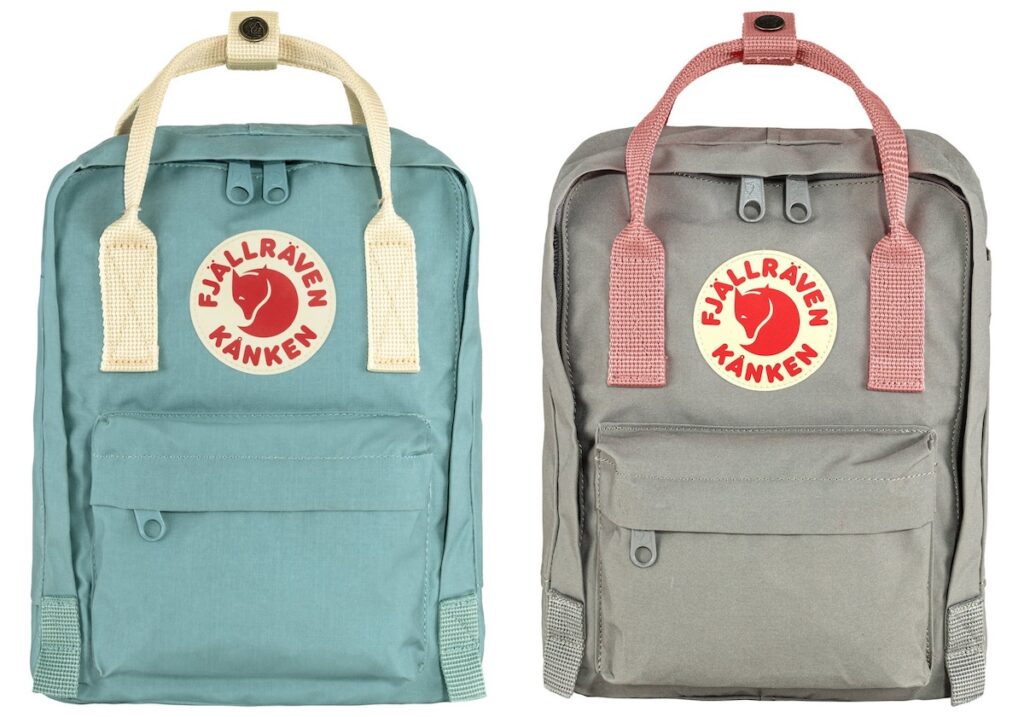
The Kanken Mini Backpack by Fjallraven is a great size for small kids. They are durable, water-resistant, and quick-drying. The straps adjust to fit various sizes, making it easy to use this backpack long-term. The fabric is Vinylon F, which is non-toxic, and there are no PFAS in production.
Grade Schoolers
Elementary school kids come in all shapes and sizes… and so do these non-toxic backpacks. You’re sure to find something cute, safe, and budget-friendly here.
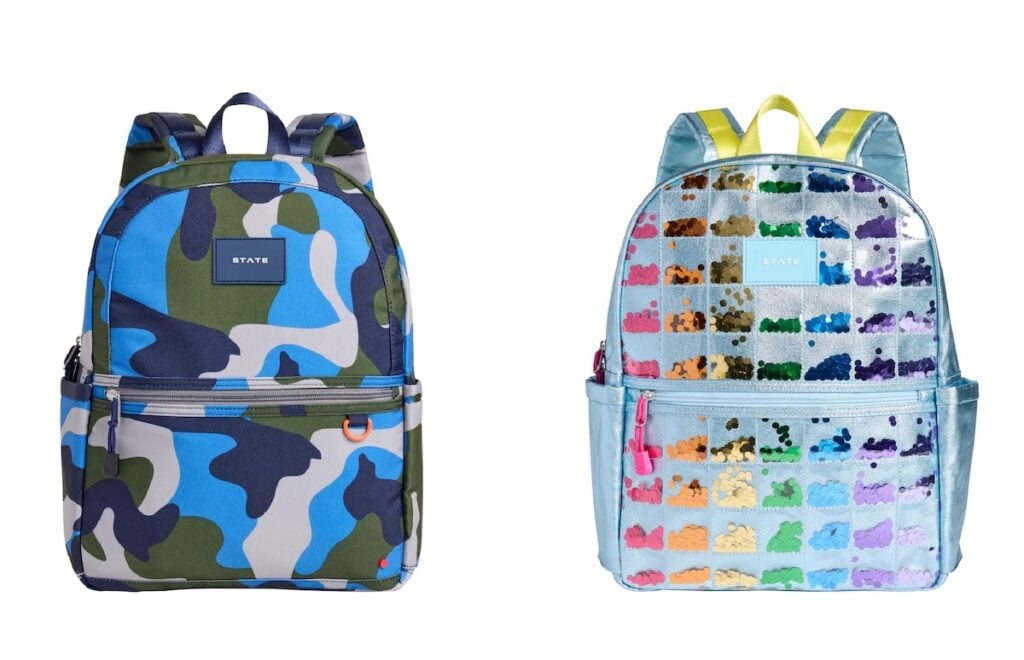
Young grade schoolers from kindergarten through third grade (depending on the child) will love the State Kane Backpack! They carry 40+ adorable colors and styles to choose from. Our current fave is the metallic blue / turquoise.
Growing kids in upper grade school might need a little more space with the double pocket version. With lots of patterns and color blocks to choose from, there is really something for everyone in this line of non-toxic backpacks. The fabric is 100% polyester on the main body, and 100% recycled polyester for the inner lining.
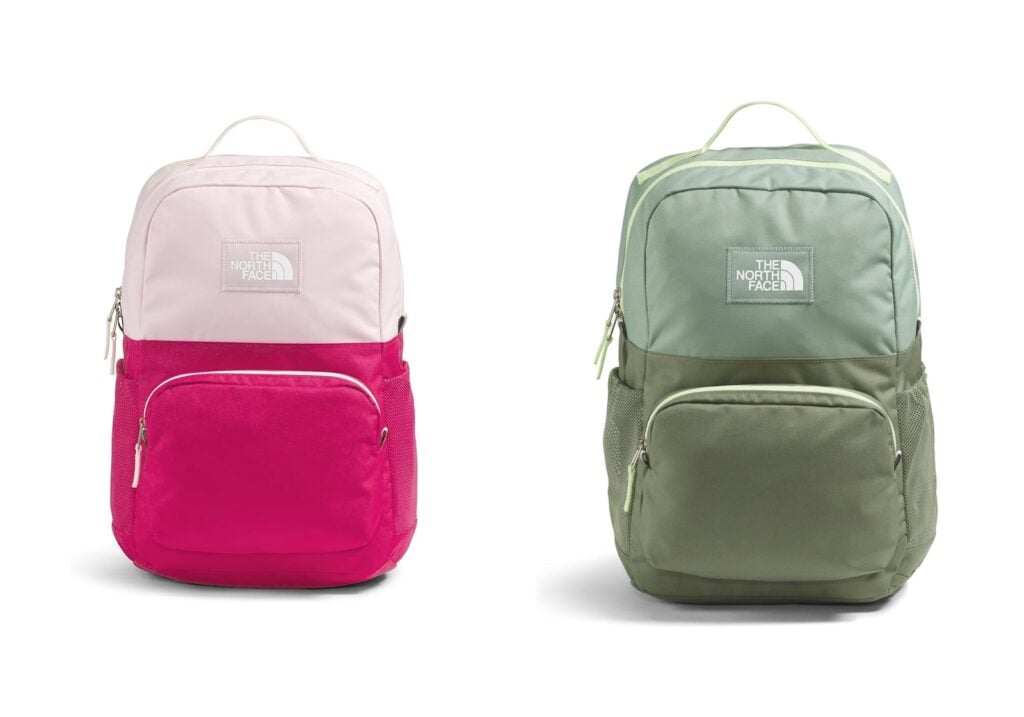
In addition to being certified by the American Chiropractic Association, these North Face backpacks tested negative for PFAS (forever chemicals) on both the interior and exterior of the bags.
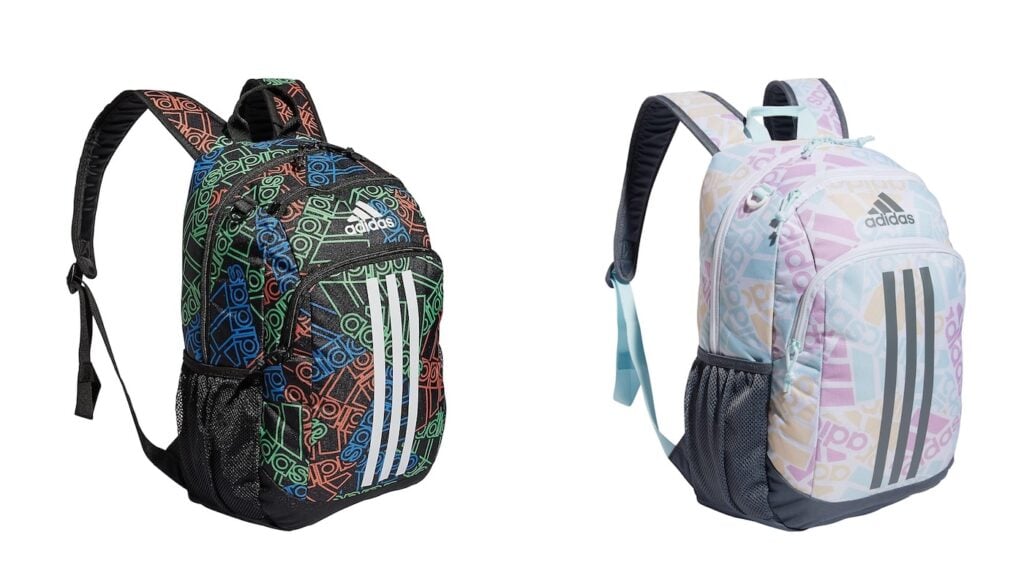
It’s always nice when an affordable mainstream brand has been found not to contain PFAS. The adidas Creator and the adidas Excel 6 are both sturdily constructed backpacks with lifetime warranties.
The Zem Mini Backpack by Terra Thread is the perfect size for grade schoolers. It’s durable and made with certified organic cotton canvas and lead-free metal zippers.
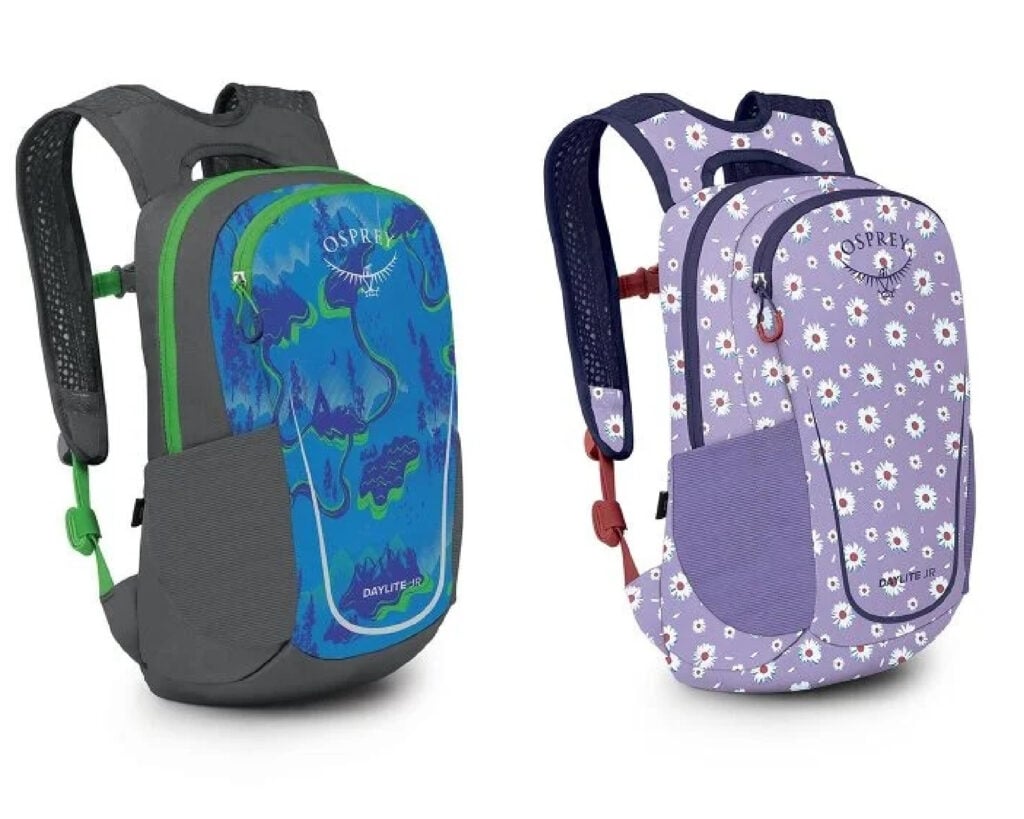
Osprey’s Daylite Jr. kids’ backpack has great features like a whistle, an internal name tag, and a hydration sleeve, making it perfect for school or a hike. These packs are bluesign approved, made from recycled polyester, and coated without PFAS.
Older Kids, Teens, and Adults
Big kids probably don’t mindlessly chew on the straps of their backpacks, but I’ve seen more than one tween or teen use one as a pillow. Now that I’m a few kids in, I know lockers are out of fashion (for some unknown reason).
My kids (and probably yours!) wear backpacks all day. So, they need to be durable and made with quality materials that aren’t going to pollute or damage their systems.
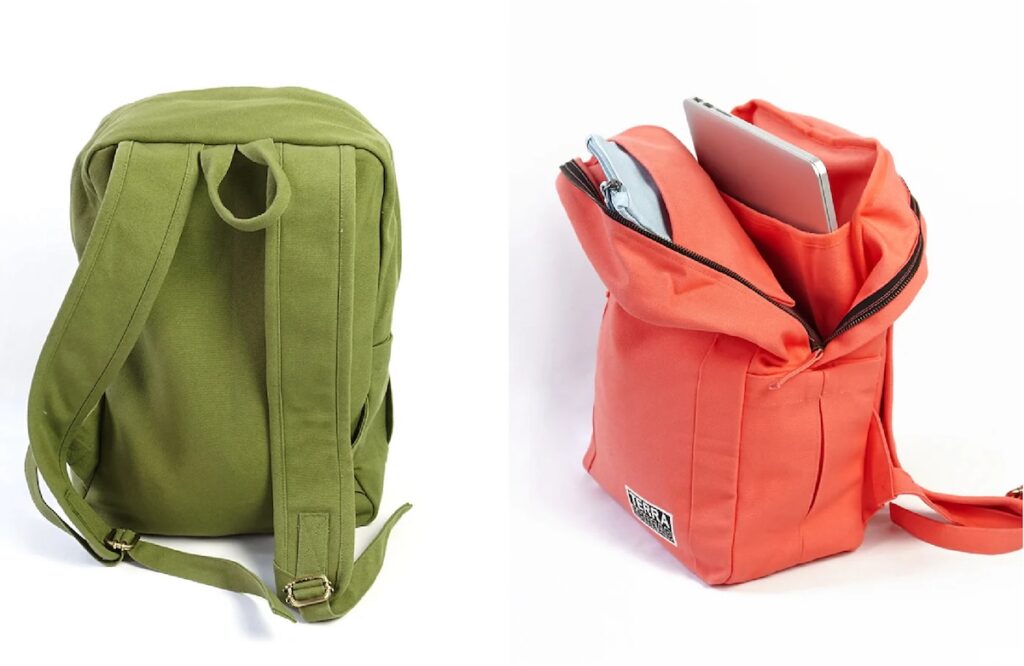
Terra Thread makes stylish, sustainable backpacks made with certified organic cotton canvas and lead-free metal zippers. Try the Fair Trade, organic cotton Earth Backpack for big kids and adults.
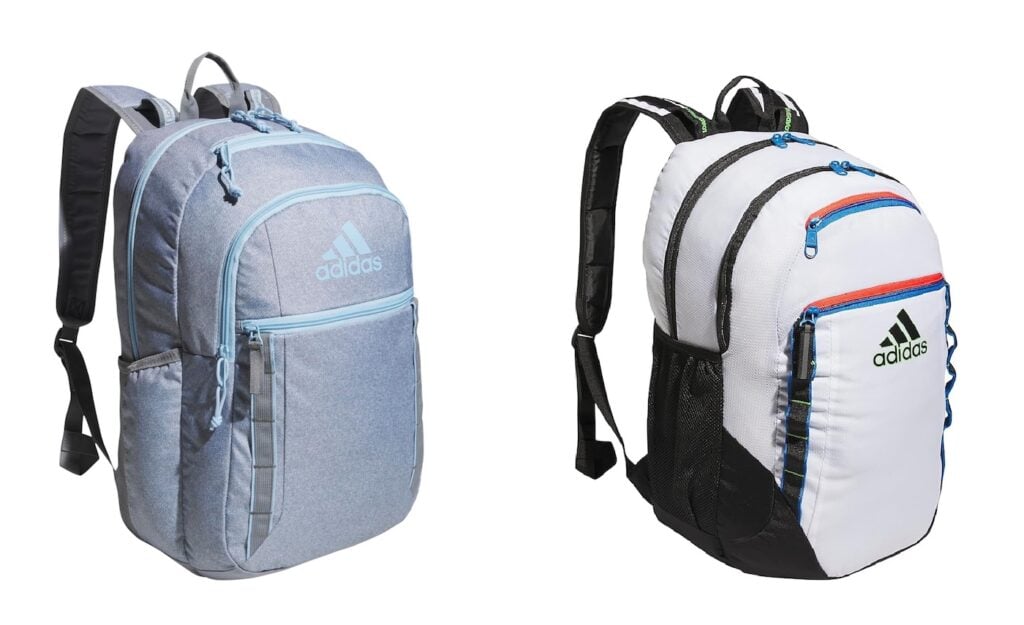
We were pleasantly surprised to learn that a handful of adidas backpacks tested negative for PFAS in Mamavation’s study. The adidas Excel is both affordable (most versions are in the $30 range) and sturdy. Keep it clean and this one will last your big kid several years.
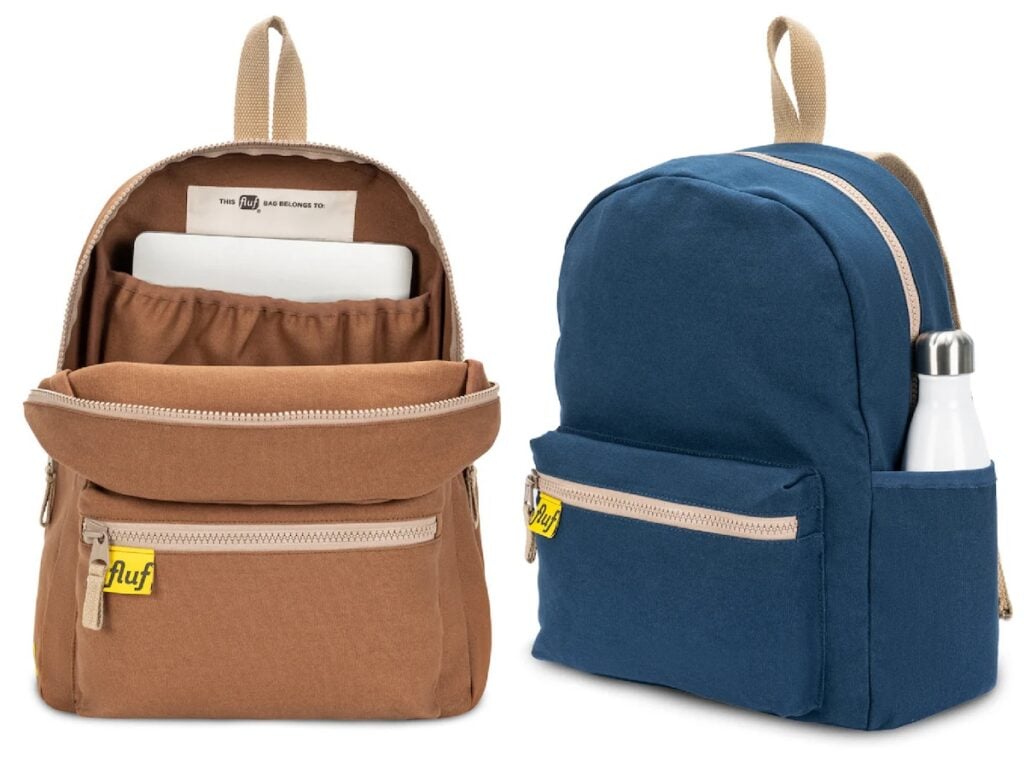
The Fluf B Pack is a great choice for middle schoolers, high schoolers, or adults. This mid-size pack is made of sturdy organic cotton canvas and is machine washable. It has a water bottle pocket and an interior laptop pocket, which suits today’s older kids perfectly. All Fluf products are ethically made.
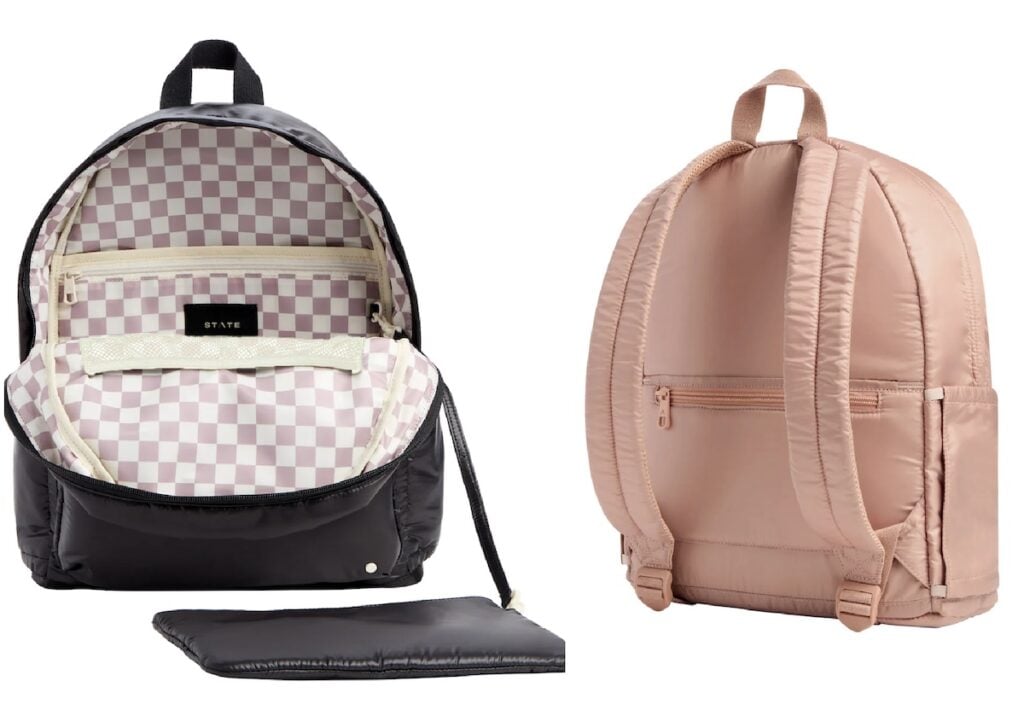
Teens and adults will love the State Lorimer Backpack. It has plenty of pockets and comes in sleek colors. The outer shell is 100% nylon and the inner lining is 100% polyester.
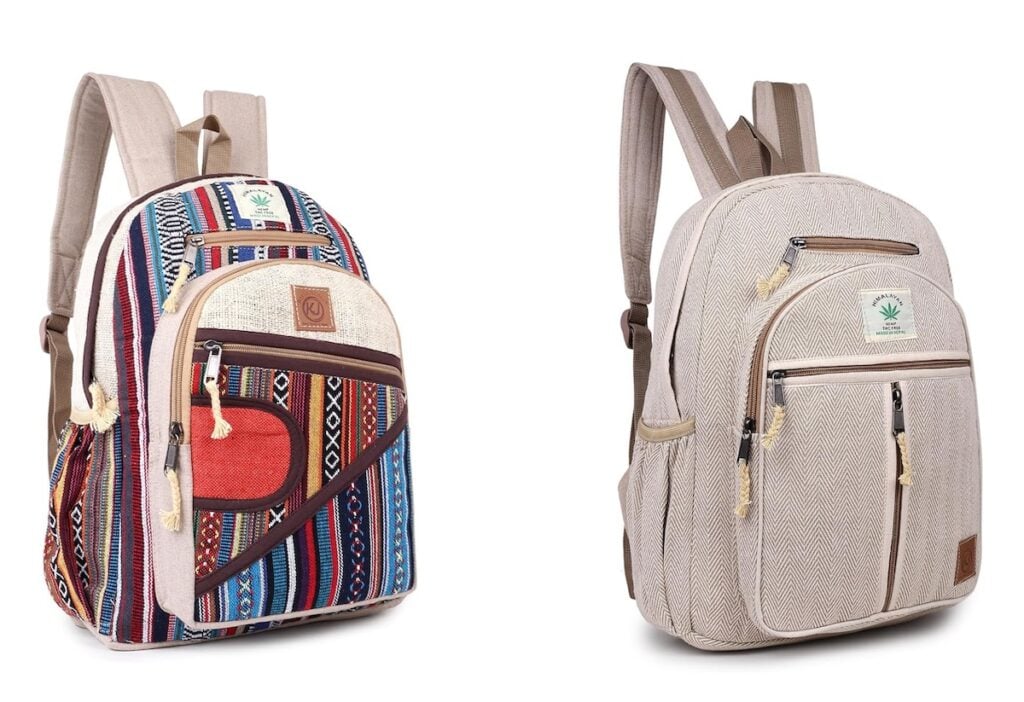
Hemp is an excellent safe, nontoxic backpack material. And these bags from KayJay Styles are handmade from pure Himalayan hemp and heavy duty cotton. Handmade means each one is unique, and the size, number of pockets, and capacity are all super useful.
Popular for good reason, the Classic Kanken backpack from Fjallraven comes in a wonderful variety of colors. It boasts durability, water resistance, and no PFAS used in manufacturing. The fabric is Vinylon F which is non-toxic.
We were saddened to learn that SoYoung seems to have gone out of business. From some of our earliest Back to School issues of our digital magazine, we included their adorable non-toxic toddler backpacks and lunch boxes. If you landed here looking for a SoYoung backpack, we hope the options above help you find a safe, thoughtfully made alternative for your child.