The 10 Best Non-Toxic Disposable Diapers
Searching for the best non-toxic diapers can feel overwhelming, especially when every brand claims to be the safest choice for your baby. Whether you’re looking for the least toxic diapers, the best affordable non-toxic diapers, or a gentle option for a newborn’s sensitive skin, we’ve done the research to help you compare today’s best non-toxic disposable diapers.
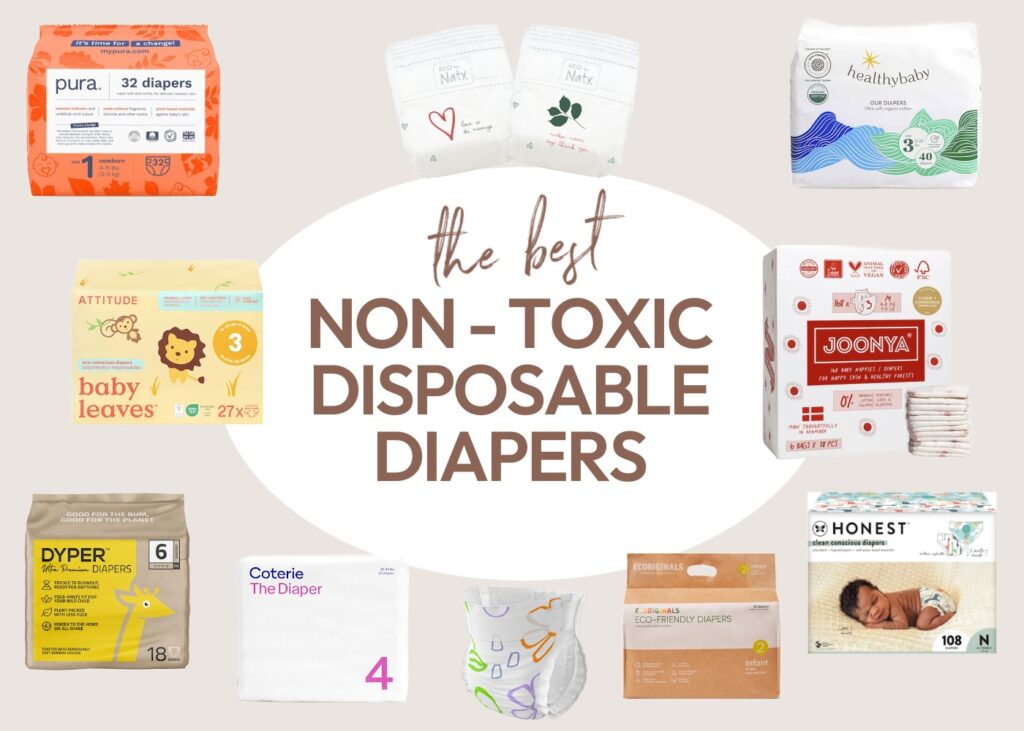
Read on to find our picks for the 10 best nontoxic disposable diapers.
Table of contents
Looking For the Least Toxic Diapers?
Diapering your new baby shouldn’t be complicated. But for me, it was a new challenge with each child. There are many options between cloth and disposables… and new baby budgets are real.
Nontoxic baby products were definitely a priority for me. With each baby, I searched tirelessly for non-toxic, disposable diapers that worked and wouldn’t hurt my baby or the earth during manufacturing. That’s a tall order!
The good news is that more companies are creating safer products. This is due to demand from conscious parents like you who are looking for safe and natural baby products.
When it comes to the health of your baby and the environment, cloth diapers are the best option. The best brands in our cloth diaper buying guide are safe from most harmful toxins. Yes, there is extra laundry and water use involved, but one cloth diaper relieves your local landfill from hundreds of diapers.
How We Chose the Best Non-Toxic Diapers
We prioritized diapers that are free from added fragrances and lotions, use TCF processing whenever possible, avoid PFAS and other unnecessary chemicals, disclose their materials transparently, and are reasonably accessible for real families balancing both budgets and ideals.
We revisit this guide regularly and update our recommendations as new information becomes available. Ingredient disclosures, manufacturing practices, independent testing, product performance, and the way companies respond to customer concerns all matter. We just removed a brand from this list that used inappropriate imagery in an email newsletter.
If a brand no longer aligns with the standards and values we believe best serve families, we’ll remove it from our list and recommend alternatives that offer greater transparency and trust.
No Disposable Diaper is 100% Biodegradable or Organic
While some brands market their diapers as biodegradable, the reality is that no disposable diaper is fully biodegradable. Only certain components can break down, and even then, the process releases CO2 emissions.
Another challenge is that for a biodegradable diaper to truly deliver on its promise, it needs to be disposed of in a landfill equipped with a methane gas recovery system – something most U.S. landfills don’t have.
Beyond biodegradability, no diaper is entirely organic or plant-based either. According to diaper industry expert Carlos Richer, who has advised top brands for more than 35 years, all disposable diapers contain some level of synthetic materials. These components are necessary to provide the absorbency and leak protection that make disposable diapers functional.
Almost all diapers (even less toxic ones) use super absorbent polymer (SAP) in their core, which is petroleum-derived. But don’t fret! After researching all of your sustainable diapering options and cloth diapers, if you decide non-toxic disposable diapers are right for your family, some great options are available.
What to Avoid in Disposable Diapers
Most conventional disposable diapers are made from plastics, so the likelihood of harmful chemicals is much greater. In some brands, toxicity exists due to chlorine bleaching. Here’s what to avoid as you look for less-toxic disposable diapers.
❌ PFAS
PFAS (forever chemicals) are persistent toxins that accumulate in the body and environment. A Mamavation study on PFAS in disposable and cloth diapers found:
- 23% of products tested had PFAS
- 17% of disposable diapers tested positive
- 30% of cloth diapers & accessories contained PFAS
This issue affects brands across the board, often due to manufacturing rather than material choice.
❌ Chlorine, Dioxins, & Harmful Bleaching Methods
Traditional diapers were once bleached with elemental chlorine, creating dioxins — highly toxic carcinogens that also harm the immune system. Regulations led to safer bleaching methods:
- ECF (Elemental Chlorine-Free): Uses chlorine dioxide, which may still leave traces of dioxins.
- TCF (Total Chlorine-Free): The safest option, using oxygen, peroxide, or ozone-based bleaching.
Look for brands that explicitly state they use totally chlorine-free methods.
❌ Phthalates: Endocrine Disruptors in Plastic
Phthalates, used to soften plastics, are unavoidable in most conventional diapers. These chemicals are linked to:
- Hormone disruption
- Cancer risk
- Attention & behavior issues in children
❌ Dyes & Inks
Some diaper dyes are safe, but others may contain toxic ingredients, including lead contamination. If you’re unsure, opt for plain, unprinted diapers.
❌ Formaldehyde: A Hidden Carcinogen
Formaldehyde is a preservative and manufacturing chemical linked to cancer, skin rashes, and respiratory issues. Since diapers are worn against delicate skin, avoiding this toxin is key. Look for brands that explicitly state “formaldehyde-free.”
❌ PAHs (Polycyclic Aromatic Hydrocarbons)
These toxic air pollutants are released during the production of conventional diapers. PAHs are known carcinogens that contribute to air pollution and long-term health risks. Choosing eco-conscious brands helps reduce PAH exposure.
❌ VOCs (Volatile Organic Compounds)
VOCs, found in plastics and adhesives, release fumes that can cause respiratory problems, worsen asthma, and have long-term toxic effects.
Better Materials / Ingredients in Non-Toxic Diapers
When assessing if a diaper is right for you, look for these ingredients that I consider “green flags.” This means they are not harmful to the environment or your baby, so if you see them on a diaper package, that is a good sign!
✅ Plant-Based Synthetics
Look for eucalyptus, wood pulp, sugar cane, or corn starch-derived materials. These are common in eco-friendly diapers and reduce reliance on petroleum-based plastics.
Brands: Dyper, Freestyle, Coterie
✅ Totally Chlorine-Free (TCF) Processing
TCF whitening uses zero chlorine, preventing exposure to harmful dioxins found in conventionally bleached diapers.
Brands: Bambo Nature, Eco by Naty, Pura
✅ FSC-Certified Wood Pulp
The Forest Stewardship Council (FSC) ensures that any wood pulp used in diapers comes from sustainable, responsibly managed forests. SFI-Certified is another worthwhile wood pulp designation.
Brands: Dyper, Seventh Generation, Pura
✅ Fragrance-Free
Artificial fragrances (like that baby powder scent) can be endocrine disruptors and skin irritants. A fragrance-free label is a good sign that unnecessary chemicals are avoided.
Brands: HealthyBaby, Dyper, Coterie
✅ Organic Cotton
Cotton is a safer, more breathable alternative to plastic-based materials. Organic cotton is even better, as it’s grown without pesticides or harmful chemicals.
Brands: HealthyBaby
✅ Bamboo Absorbent Cores
Bamboo is a safer, plant-based absorbent alternative to synthetic materials. Look for brands that use closed-loop processing to ensure chemicals aren’t released into the environment.
Brands: Dyper, Freestyle
✅ OEKO-TEX Certified Materials
An OEKO-TEX certification ensures that textiles have been tested for harmful substances and meet strict safety standards.
Brands: Coterie, Dyper, Pura
✅ GOTS-Certified Organic Cotton
The Global Organic Textile Standard (GOTS) guarantees that cotton is organically grown and processed without toxic dyes or heavy metals.
Brands: HealthyBaby
10 Best Non-Toxic Disposable Diapers
Different diapers work best for different babies, depending on skin sensitivity, body shape, and other variables. Start with a small pack to see which one you like best. Then, subscribe away with your favorite!
#1. Dyper
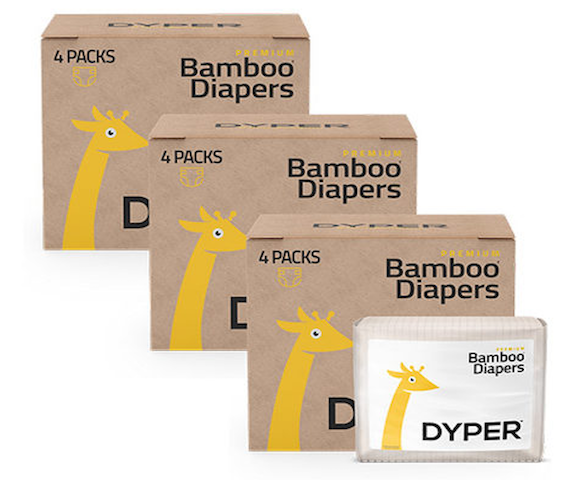
Save with a subscription, sizes NB-6, and pull-on style from 2T-6T. These diapers are made with bamboo and other plant-based materials, as in the other diapers listed here. The bamboo they use is sustainably sourced and ecologically processed.
Eco Facts:
- OEKO-TEX Certified
- B Corp Certified
- Chlorine-Free fluff pulp
- No prints, perfumes, or lotions
- Soft and hypoallergenic bamboo
What You’ll Love
- This brand is available at Walmart and Grove Collaborative
- Dyper has a dirty diaper pickup program called REDYPER in some cities, turning them into biochar and eliminating them from landfills. They are working to expand this service, which seems like a great plan!
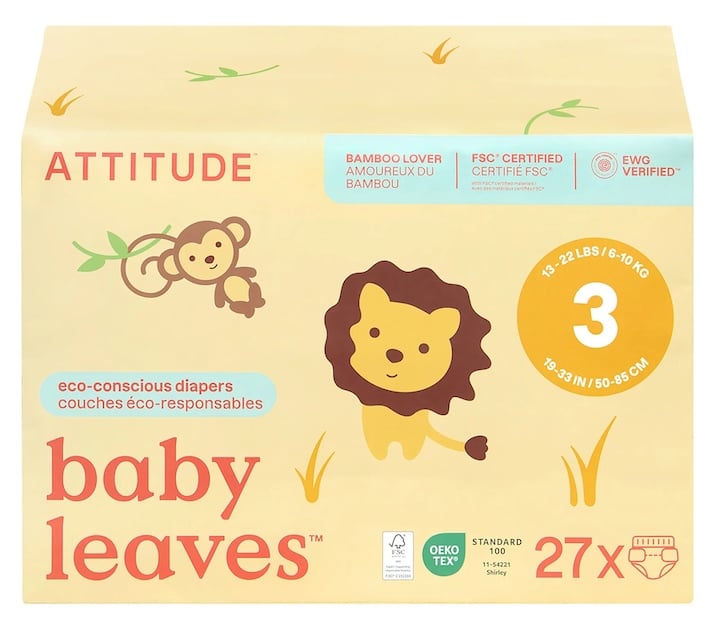
#2. ATTITUDE
These diapers range in sizes from NB-6, with the biggest size accommodating older kids up to 66 lbs. I like this inclusive sizing feature. They offer a discount for subscriptions.
Eco Facts:
- FSC certified bamboo
- Non-GMO cornstarch
- EWG certified
- No perfumes
- OEKO-TEX certified
What You’ll Love:
- Made from about 50% biodegradable materials
- Vegan
- White diapers mean no inks or dyes and less to worry about
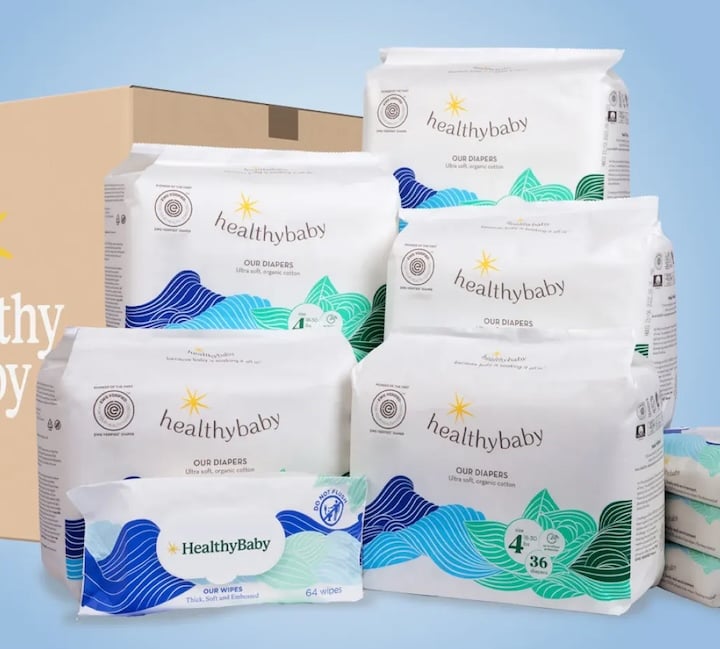
#3. HealthyBaby
HealthyBaby has a diaper and wipe subscription to reduce costs. They come in sizes 1-6 and then move up to pull-on style for potty trainers.
Eco Facts:
- EWG Certified
- Enhanced with organic cotton
- Carbon neutral manufacturing
- OEKO-TEX Certified
What You’ll Love:
- This company provides transparency and full ingredient lists for each product
- Flexible and customizable subscription plans
- No ink or dyes. These diapers are plain white, match everything, and are gender-neutral.
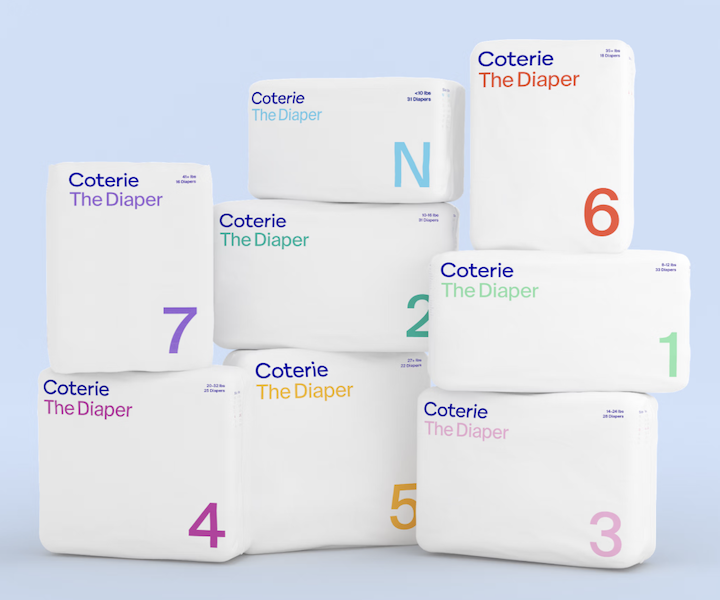
#4. Coterie
Coterie is collaborating with Diaper Recycling Technology (DRT) to create a comprehensive recycling solution. DRT is leading the way in innovative technology that can recover up to 95% of raw materials from used diapers in a cost- and energy-efficient manner.
These diapers are simple and white but are known for being super absorbent, cutting laundry, saving money, and causing less diaper rash. They come in sizes newborn to 6 and pull-on style sizes 3-6.
Eco Facts:
- Hypoallergenic materials
- TCF wood pulp
- No added fragrance, lotion, latex, rubber, dyes, alcohol, parabens, phthalates, pesticides, chlorine bleaching, VOCs, or optical brighteners
- FSC Certified, EWG Certified
- They offer support in recycling their packaging
What You’ll Love:
- It is cruelty-free
- Ultra-soft, “apparel-grade” materials, great for sensitive skin
- It includes a wetness indicator, which can also reduce diaper rash
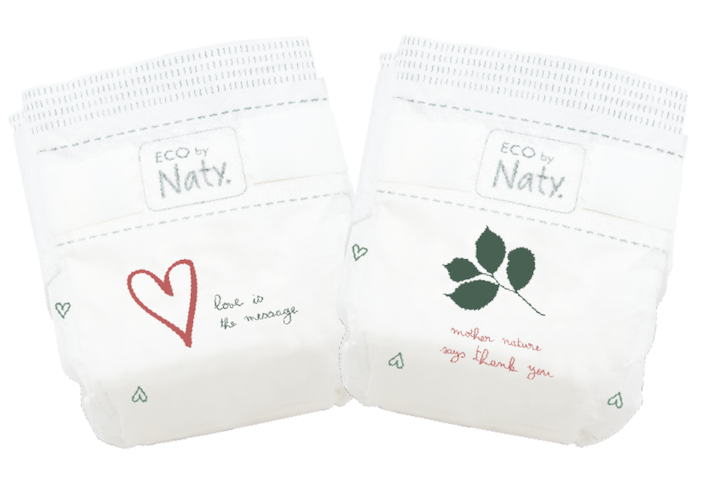
#5. Eco by Naty
These diapers are super reasonably priced and offer a subscription discount. They range in size from 1-6 and have a pull-on style for potty trainers in sizes 4-6. While I’m usually not a fan of printed diapers, these are the exception since they are inspired by plants and nature.
Eco Facts:
- 100% plant-based materials
- OKEO-TEX Certified
- FSC Certified
- Vegan
What You’ll Love:
- The nature design options are super cute
- 100% bio-based materials are all the baby’s skin comes in contact with
- This brand carries feminine products also
# 6. Pura
Pura diapers were created with the goal of offering parents a safer, more sustainable disposable diaper without sacrificing the absorbency and convenience families rely on. They combine thoughtfully sourced materials with practical features that make everyday diaper changes a little easier. Available in sizes newborn through 6, Pura also offers coordinating wipes designed with the same commitment to gentle ingredients.
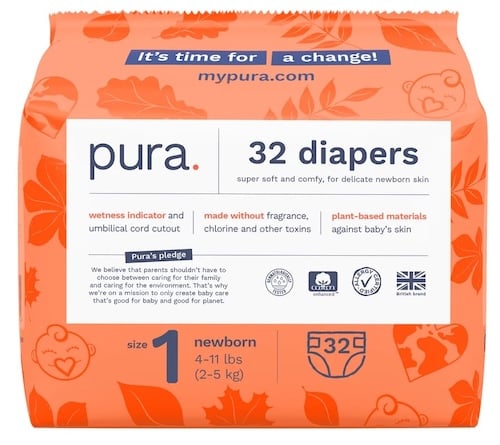
Eco Facts:
- Totally chlorine-free (TCF) wood pulp
- FSC Certified pulp from responsibly managed forests
- EWG verified
- No added fragrance, lotions, latex, or chlorine bleaching and not tested on animals
- Hypoallergenic materials designed for sensitive skin
- Manufactured using renewable electricity
- Committed to reducing plastic use and improving sustainability practices
What You’ll Love:
- Soft, comfortable materials that perform well overnight and during longer stretches between changes
- Wetness indicator to help simplify diaper changes, especially with newborns
- Thoughtful balance of cleaner ingredients and affordability
- Widely praised by parents for leak protection and absorbency
- Pairs with Pura wipes for families looking to simplify their diapering routine
#7. Honest
Honest is a popular company, and for good reason. Their diaper and wipe subscription is convenient and sizable enough to make their products reasonably priced. They are also available at big box stores like Target and Walmart. The size range is from newborn to 7, and the pull-on style is up to 5T.
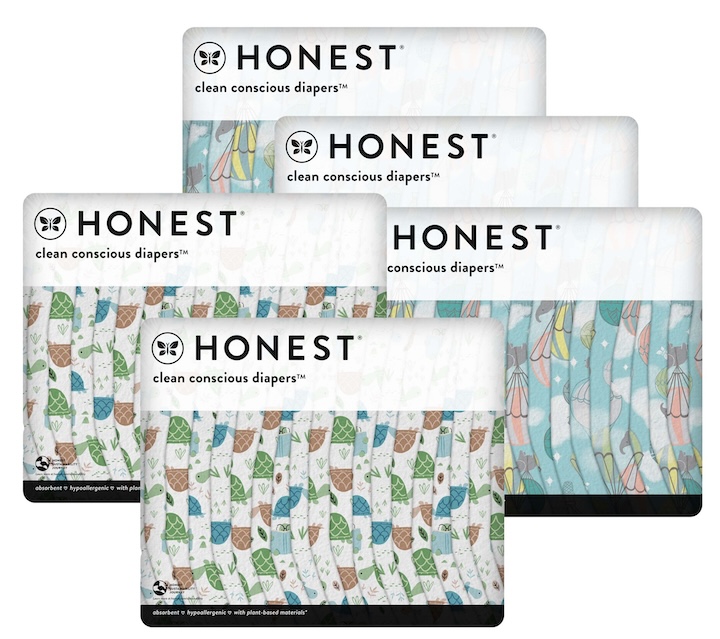
Eco Facts:
- Made with plant-based materials
- OKEO-TEX Certified
- No fragrances, parabens, or elemental chlorine
- FSC Certified
What You’ll Love:
- Either plain white or tons of cute design options
- They also carry wipes and a wide range of other eco-products for moms
- No animal testing
#8. Ecoriginals
Starting in newborn size and up to size five, these also come in pull-on style from sizes 3-6. Ecoriginals diapers offer a hefty subscription discount and some small trial packs to try without a huge commitment.
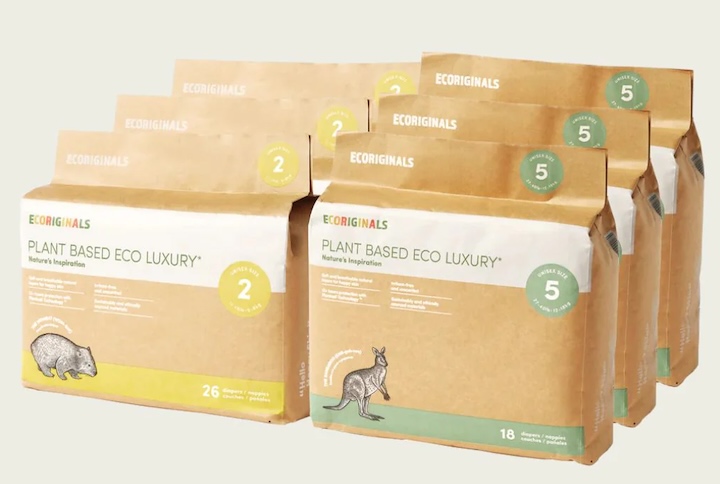
Eco Facts:
- 100% plant-based materials
- OKEO-TEX Certified
- FSC Certified
- Carbon neutral
- 100% plant-based layers
What You’ll Love:
- They plant a tree with each purchase
- Spandex leg cuffs to prevent leaks without skin irritation
- Gentle for sensitive skin
#9. Freestyle
This company offers a subscription discount on diapers and wipes, and both use bamboo as their main ingredient. With their self-named BAMBOOTEK, they boast 100% tree-free bamboo core diapers.
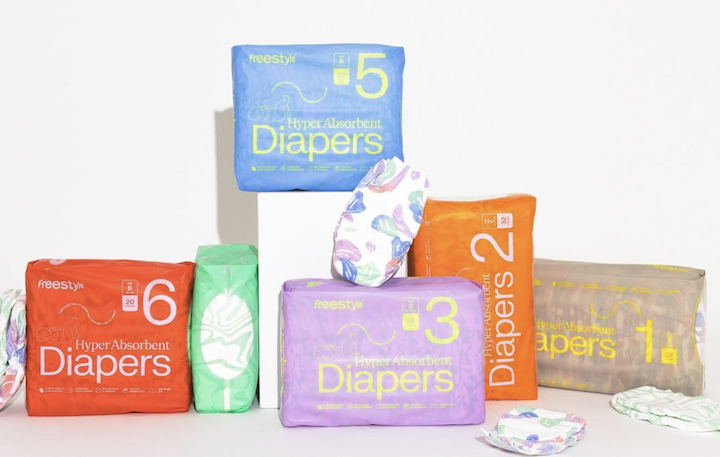
Eco Facts:
- TCF
- FSC certified
- Paraben & phthalate free
- Heavy metal free
- Organic bamboo using sustainable and eco-friendly practices
What You’ll Love:
- BAMBOOTEK saves trees and removes plastic
- Cruelty-free company
- The subscription can easily be added to, skipped, rescheduled, or changed frequency
#10. Joonya
Joonya was created by an Australian mom searching for a cleaner diaper option she felt good about using on her own children. These premium diapers combine soft, thoughtfully selected materials with a strong emphasis on ingredient transparency and skin safety. Available through subscription, Joonya offers sizes newborn through 6 and coordinates with a line of gentle baby wipes.
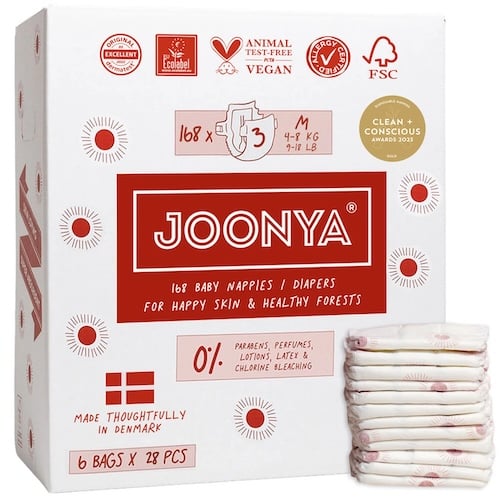
Eco Facts:
- Totally chlorine-free (TCF) wood pulp
- OEKO-TEX certified materials
- Fragrance-, lotion-, and latex-free
- Free from parabens, phthalates, and optical brighteners
- FSC-certified pulp sourced from responsibly managed forests
- Plant-based top sheet designed to reduce direct contact with plastics
What You’ll Love:
- Ultra-soft materials that are gentle on sensitive skin
- Excellent absorbency and leak protection, including overnight
- High level of ingredient transparency compared to many diaper brands
- Minimalist design without unnecessary dyes or embellishments
What About Millie Moon, Hello Bello, Huggies, and Pampers?
If you’re looking for a diaper that’s easier to find at Target, Walmart, Costco, or Amazon, there are several “better” options worth considering. Millie Moon, Hello Bello, Huggies Special Delivery, Pampers Pure, and Kirkland Signature all avoid some of the ingredients found in many conventional diapers and may be a practical fit depending on your budget, availability, and your baby’s unique needs.
However, these brands don’t meet all of the same criteria as our top recommendations. Most use elemental chlorine-free (ECF) processing rather than totally chlorine-free (TCF) methods, offer less ingredient transparency, or have fewer third-party certifications. That doesn’t necessarily make them unsafe, but it does mean there are brands we feel more confident recommending first.
Millie Moon, in particular, has become a popular option among parents seeking a softer, more affordable diaper. The brand previously used TCF processing but has since transitioned to ECF methods. While it no longer aligns with our highest standards, many families still find it to be a gentler alternative to conventional disposable diapers.
Hello Bello remains a budget-friendly choice with fragrance-free options and playful designs. Although it didn’t make our top recommendations this year, it’s still a step in a better direction for families looking to move away from conventional disposable diapers.