
Taste Training for Kids: How to Expand Your Child’s Palate Naturally
Parents often ask how to get their kids into the habit of eating a variety of healthy, real foods. Having a picky eater can be so disheartening, we often forget that taste preferences are learned by repetition.
The good news is there’s no need to throw your hands up in desperation, because a child’s palate can actually be gently reshaped over time. This process is called taste training, and it’s easier than you might think.
When my oldest was a toddler, he had a pretty healthy palate. He happily ate berries and fruit, beans, carrots, broccoli, sweet potatoes, squash, cucumbers, and tomatoes. With the exception of occasional chicken nuggets, we felt pretty good about his habits.
Then came the first Halloween where he was old enough to understand trick-or-treating.
Among the chocolate bars and brightly colored candy, he’d gotten a few packages of fruit snacks. One was the Scooby Doo variety, and that’s what his costume was that year. So, we let him have them.
Had I read the label, I would have known the first ingredients on the fruit snacks were corn syrup and sugar. Maybe I thought they were made from fruit juice? All I really remember is that over the next few weeks, some of the foods he typically liked – especially vegetables with slightly bitter flavors – fell out of favor.
It took a while for us to realize what caused the issue. But over time, we were able to bring him back around to eating mostly healthy foods.
And it was a refreshing reminder that children can learn (or re-learn) to enjoy real, nourishing foods just as they can learn to crave ultra-processed ones. That’s where the idea of taste training can be helpful for picky eaters.
What Is Taste Training?
Taste training is the process of helping children become familiar with a wide range of flavors, textures, and whole foods over time.
It isn’t bribing or force-feeding. And it doesn’t have to be perfect. It’s about understanding that children often need repeated, low-pressure exposure before a new food feels normal. A child who rejects roasted broccoli today may happily eat it after seeing it on their plate 7 to 10 more times.
Just like learning any new skill, familiarity builds comfort. And low-pressure exposure creates safety around food.
Why Sweet Foods Appeal to Kids
Humans are born with a natural preference for sweetness. Breastmilk is naturally sweet, and sweetness historically signaled energy-rich, safe foods.
But in today’s food environment, children are often exposed to sweetness in more concentrated forms: cereals, fruit snacks, sweetened yogurts, bars, pouches, drinks, and packaged treats.
When very sweet foods become frequent, the taste of naturally subtle foods like berries, plain yogurt, vegetables, beans, oats, and even fruit can seem less exciting by comparison. That doesn’t mean treats are bad or that parents have failed. A person’s palate adapts to what it experiences most often.
That’s why many parents look for treat-like foods made with more balanced ingredients and richer flavor—not just more sugar.
How to Build a Broader Palate Early
It turns out you can start really early! There’s evidence that the flavors a mother eats during pregnancy can impact their baby’s food preferences later on. But even if you didn’t start that early, it’s never too late.
When it’s time for solids, you can introduce a variety of flavors and textures. Research shows that the first thousand days of life represent a sensitive period for the development of healthy eating habits. Here’s how to introduce healthy, flavorful foods to babies:
- Start simple: Begin with mild foods like sweet potatoes, peas, or apples, introducing one at a time.
- Add texture gradually: Move from purees to mashed or soft chopped foods as your baby is ready.
- Repeat often: Babies may need many exposures before accepting a new food.
- Stay positive: Be calm but enthusiastic about new foods. Even babies will mirror your energy around meals.
For toddlers and picky eaters who eat more of the family meal, instead of relying on intensely sweet packaged foods, offer naturally sweet foods alongside more complex flavors:
- roasted carrots with quality olive oil
- plain yogurt with berries and cinnamon
- oatmeal with pear and nutmeg
- apples with nut butter
- sweet potato with herbs
- fruit paired with protein or healthy fat
You can also introduce herbs, spices, bitter greens, savory foods, sour flavors, creamy textures, and crunchy foods early and often.
Consistency Matters More Than Perfection
Parents often assume a child dislikes a food after one refusal, but children commonly need many exposures before accepting something new. That’s why consistency matters far more than one perfect meal.
Keep offering foods without pressure. Make sure your kids see you enjoy them. Include your child in the cooking process (even toddlers can help). Serve small portions, and make sure there’s something they already like on the plate. Over time, repeated positive exposure can do more than lectures or negotiations.
The Food Environment Matters More Than We Realize
My friends are practicing baby-led weaning with their 10-month old daughter. They eat super healthy at home, and the dad is a personal trainer. Each day, their daycare sends home a note listing the solid foods she eats. For the past few months, they said the note includes foods like cheese toast, cheese pizza, and cheese and crackers.
This isn’t a judgment on school lunches, but it can be a reminder that children’s taste preferences are shaped by other food environments. These might be daycare meals, grandparents’ houses, birthday parties, restaurant kids’ menus, and packaged snacks on the go.
Parents often blame themselves when preferences shift, but the reality is much bigger than what you’re feeding them at home.
Foods That Naturally Help Build a Healthy Palate in Kids
Children develop taste through exposure to many flavors, textures, and real ingredients over time.
Naturally Sweet Foods
These satisfy a sweet tooth while still offering fiber, nutrients, and more nuanced flavor:
- berries
- bananas
- ripe pears
- mango
- roasted sweet potato
- applesauce without added sugar
- dates blended into oatmeal or smoothies
Healthy Fats with Flavor
Fat helps children feel satisfied and makes some foods more enjoyable:
- avocado
- nut and seed butters (age appropriate)
- full-fat yogurt
- quality olive oil drizzled over vegetables or toast
- eggs
Savory and Umami Foods
These help children appreciate depth of flavor beyond sweet foods:
- hummus
- tomato sauce
- parmesan cheese
- beans
- lentils
- roasted chickpeas
- eggs
Mild Bitter or Complex Flavors
These are so good to start early with:
- broccoli
- arugula mixed into greens
- cucumber
- zucchini
- citrus zest
- olives (for some children)
For families looking for a treat-style option that’s still healthy, products like Taycte’s hazelnut cocoa spread or hazelnut honey spread are a natural fit for your pantry.
Texture Variety Matters
Taste isn’t only about flavor. Especially in toddlers, texture aversions can change over time. “Some children with texture sensitivities can hold on to their challenges into elementary school,” explains Jenny McGlothlin, co-author of Helping Your Child with Extreme Picky Eating. “Most toddlers go through a picky stage beginning around 14-16 months, and lasting until around age 5.”
Many children need to have crunchy foods with every meal in order for their sensory system to function at the most alert level, so be sure to include those foods if your child appears to be a sensory seeker. Offer opportunities to experience:
- crunchy cucumbers
- creamy yogurt
- juicy fruit
- chewy sourdough toast
- roasted vegetables
- hummus
Thoughtful Pantry Swaps
Taste training doesn’t require making everything yourself or eliminating every packaged food. If your child enjoys toast, yogurt bowls, fruit snacks after school, or something sweet in a lunchbox, these can become opportunities to introduce better ingredients and more balanced flavors.
That might look like:
- fruit instead of candy as the everyday default
- yogurt with berries instead of dessert-style yogurt cups
- drizzle quality olive oil over toast, vegetables, or pasta
- toast with nut butter instead of frosting-like spreads
- popcorn or cheese with fruit instead of highly processed snack packs
- simple pantry staples made with recognizable ingredients
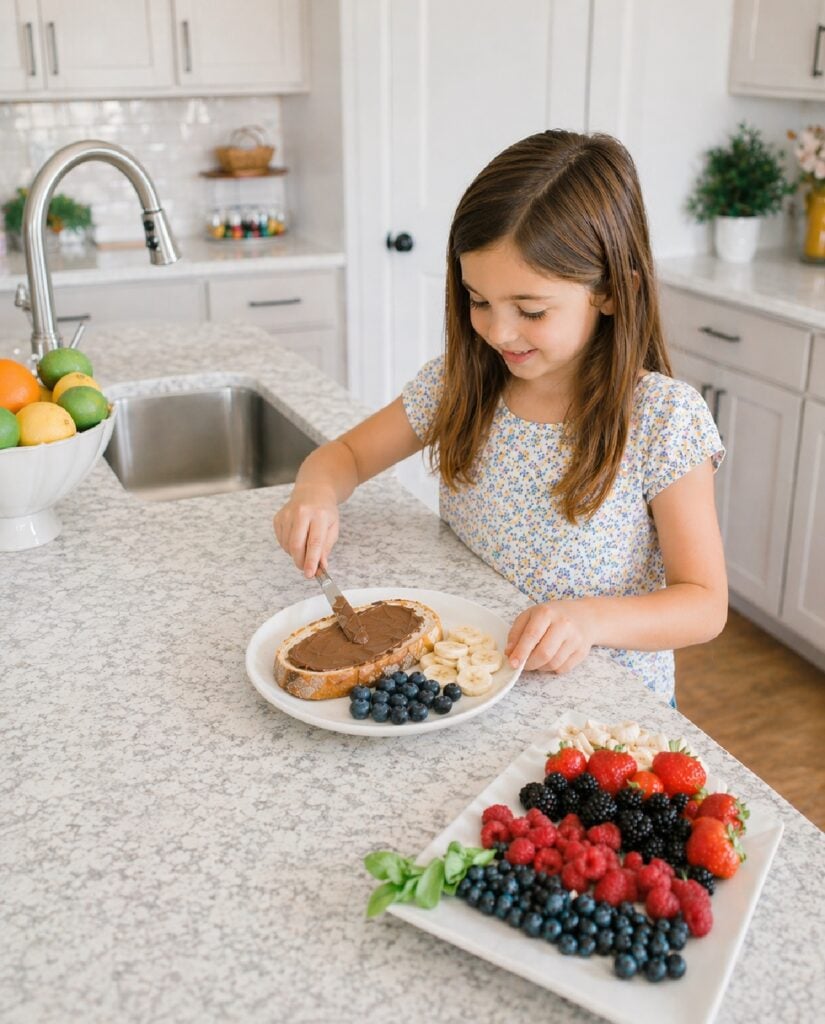
For families looking for a treat-style option made with a more traditional approach, products like Taycte’s hazelnut cocoa spread (a healthy alternative to Nutella) can fit naturally into that bigger picture.
We recently spoke with Taycte founder Kajo Kajevic about food quality, family wellness, and why real ingredients still matter. You can use code GREENCHILD for 20% any of Taycte’s artisanal products.
Foods like these can help children experience richer, more nuanced tastes while still feeling fun and familiar.
Raising Kids Who Love Real Food
In a world where children are surrounded by brightly packaged foods engineered to be irresistible, it can feel discouraging when healthy habits seem harder to maintain than they should be. But as we’ve shared, taste preferences are never fixed.
A child who currently prefers sweet or highly processed foods is not destined to stay there. Palates can expand. Children can learn to enjoy fresh fruit, vegetables, savory meals, and the simple pleasure of food made with real ingredients.
As with all of parenting, the goal is never perfection. You can improve your child’s palate without creating pressure around meals or outlawing all treats. Instead, offer steady, light-hearted exposure to nourishing foods.
And just remember:
- A nutrient-dense dinner at home still matters, even if your child had crackers at daycare.
- Fresh berries offer fiber and nutrients, even if grandparents brought cookies.
- A balanced breakfast sets the tone for the day, even if there’s a birthday party later.
You don’t need perfect meals to raise a child who loves real food. Kids learn through fun examples, so make mealtime a happy and positive family bonding experience!