
Meet the Founder of Taycte: Why Real Food Still Matters
Kajo Kajevic’s understanding of food was shaped by family conversations about quality standards, mentors who viewed cuisine as history, and years spent living across cultures where meals were still deeply connected to place.
Before co-founding Taycte, Kajo worked internationally as an Olympic swim coach, helping athletes across five different countries perform at their best through discipline, consistency, and daily habits.
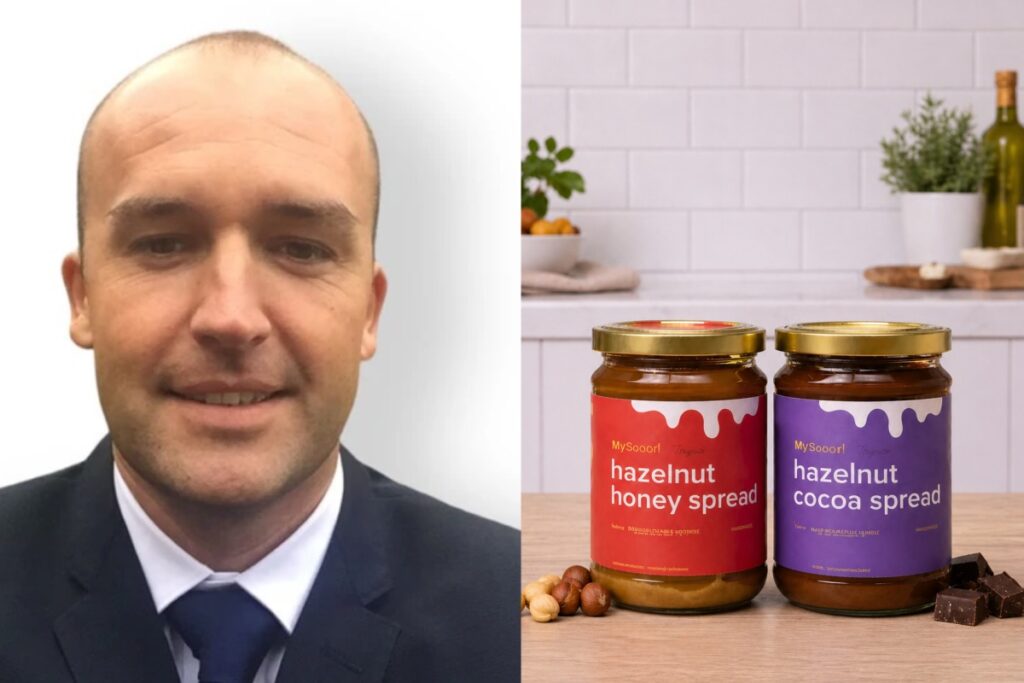
Today, he brings that same mindset to food — seeking out thoughtfully made products rooted in quality ingredients and tradition.
When we spoke, our conversation moved from olive groves and regional cuisine to children’s health and how modern food systems have changed the way families eat.
You’ve lived in many different countries. How has travel shaped your understanding of food quality?
Truly, everything I know came from being curious, listening, and learning from people with real experience. Travel teaches you that cuisine is always connected to history, soil, climate, and what naturally grows in a place.
When you understand that, food becomes more than calories. You start to see why one olive oil tastes different from another, or why tomatoes from one region have more flavor. It’s not only the recipe. It’s the land, the tradition, and generations of knowledge behind it.
I learned that every region has its own identity, and food is one of the clearest ways to understand a culture.
Was there someone who especially shaped the way you think about food?
Yes, very much. Enzo Barlocco, a mentor of mine from Genoa, had a huge influence on me. He was a former Olympic athlete at Mexico Olympics 1968, Graduated in chemistry, and later traveled the world as a journalist. He had this rare combination of discipline, intelligence, and curiosity.
He taught me that food is never separate from history. It’s connected to soil, climate, trade, migration, and tradition. He would talk about why certain regions became known for olives, grapes, or specific dishes — not by accident, but because of generations of relationship with the land.
I also learned a lot from my mother. Conversations about food quality and standards were normal in our family. Those influences stayed with me.
You talk often about simplicity. Why do simple ingredients matter so much?
Because when the ingredients are truly good, you don’t need to hide anything.
That’s the whole point. If something is made well, with quality raw ingredients, you don’t need a long list of additives to create flavor or texture. Many traditional foods were simple by design.
Today, people are starting to look again at labels and ask better questions. That’s a good thing. Sometimes less really is more.
How has modern mass production changed the food system?
When a product has to supply the entire world, compromises often happen. That’s just reality.
You need more volume, lower costs, longer shelf life, faster production. Somewhere in that process, quality can be lost. It doesn’t happen with everything, but scale changes decisions.
That’s why I respect smaller producers who still care about how something is grown, harvested, or made. There is value in preserving those standards and supporting people who still take pride in doing things the right way.
Taycte is interested in family wellness. Why does helping children matter to you?
Because taste starts early.
Children learn flavor the same way they learn many things — through exposure, repetition, and experience. If they grow up around real food, balanced meals, and better ingredients, that becomes normal to them.
I think many parents want to do the right thing, but the modern food environment makes it difficult. There are products everywhere designed to be extreme in sweetness, saltiness, or convenience.
So if we can help families with better options and make healthy choices easier, that matters to me.
What do you hope families experience when they bring Taycte products home?
I hope they enjoy food again.
Not just eating quickly, but truly tasting the food. Sitting together, sharing something good, and maybe discovering a flavor that reminds them how food can still be simple, satisfying, and high quality.
For me, great food connects people, cultures, and traditions. If we can bring a little of that into someone’s home, then we’re doing something worthwhile. And I hope we can help kids overcome being picky eaters through taste training and positive exposure.