
How to Help Kids Get More Protein
“I’m pretty sure my kid survives on crackers, fruit snacks, and air.” That was an entertaining response to our email poll asking parents about their children’s nutritional habits. Unsurprisingly, most parents said they worry their child isn’t getting proper nutrition and doesn’t eat enough protein.
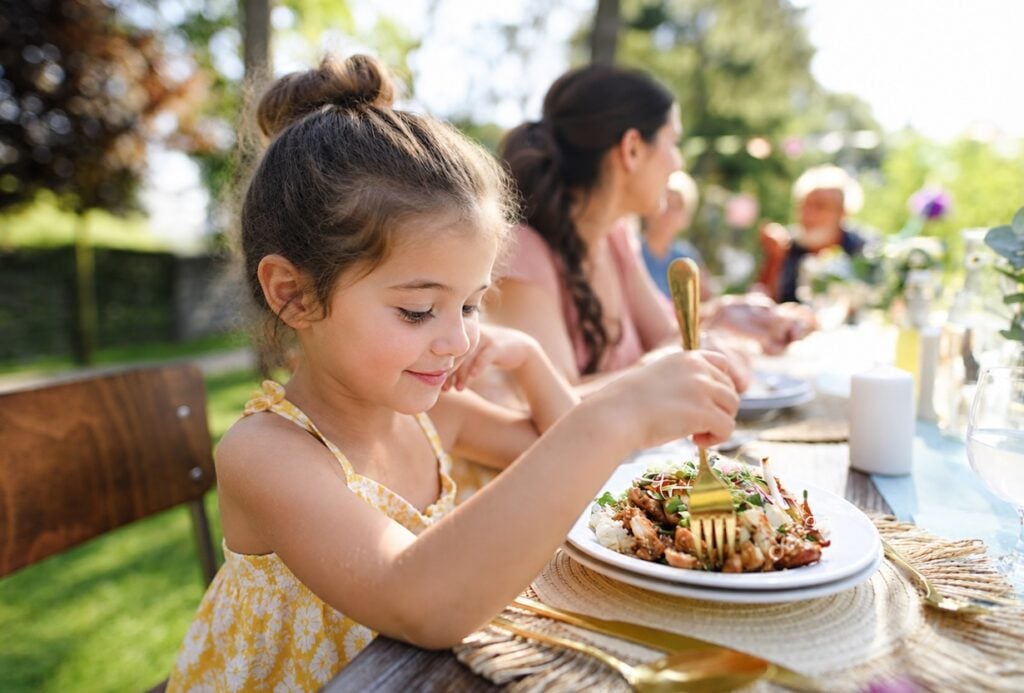
Protein helps build muscles and bones. It also supports hormones, enzymes, immune cells, and growing brains. Yet kids naturally gravitate toward (and our food system mainly offers) carbohydrates that fill them up without providing lasting nourishment.
The good news is… increasing protein doesn’t require complicated meal plans or forcing kids to eat foods they dislike.
Why Protein Matters for Kids
“Kids are in an incredible phase of growth physically, mentally, and emotionally,” explains nutritionist Lisa Kirby. “Their bodies need complete protein and natural fats as the foundation for healthy development.”
From the toddler years through adolescence, children build new bone, muscle, skin, hormones, enzymes, and immune cells while their brains continue developing at an incredible pace. Protein provides the amino acids needed to support many of these essential processes, making it an important part of a balanced diet throughout childhood. Paired with healthy fats and fiber-rich foods, protein also helps provide steady energy to fuel learning, play, and everyday adventures.
While many kids naturally gravitate toward crackers, cereal, snack foods, and other carbs, meals that rely mostly on refined carbohydrates can leave them hungry again soon after eating. Including a source of protein at each meal and snack helps slow digestion, supports more stable blood sugar, and promotes satiety — the feeling of staying comfortably full between meals.
That means fewer energy crashes, less grazing throughout the day, and meals that satisfy growing bodies for longer.
Nutritionist Lisa Kirby encourages parents to think of protein as the foundation of a child’s plate rather than an afterthought. Instead of building meals around refined carbohydrates, start with a quality protein source, then round out the plate with healthy fats, colorful produce, and fiber-rich carbohydrates.
Signs Your Child May Not Be Getting Enough Protein
The body typically lets us know when we haven’t had enough protein. And the signs are similar in kids as with adults. This could be the case if you notice your child:
- seems hungry shortly after meals
- constantly ask for snacks
- eats mostly refined carbohydrates
- has little interest in protein foods
- seems to have energy crashes between meals
Try a week of following the guidelines in the protein-first meal section to see if some of these signs resolve. If not, you might talk with your healthcare provider to see if there’s something else to consider.
Why Kids Often Fill Up on Carbs
Many of the foods marketed to children are primarily made from refined carbohydrates. Crackers, chips, sweet cereals, fruit snacks, and snack bars are quick, convenient, and often familiar favorites. Because carbs digest more quickly than protein and healthy fats, these foods can provide a burst of energy but may leave kids feeling hungry again before long.
Highly processed foods are also carefully engineered to be craveable. The combination of refined carbohydrates, fats, salt, and sweet flavors can make them especially appealing, which is one reason children often reach for them again and again. While these foods may fit into a balanced diet in moderation, relying on them too often may crowd out the protein and other nutrients growing bodies need.
Sometimes kids aren’t asking for another snack because they need more food. Their body is still looking for nutrients the last snack didn’t provide.
Protein-First Meal Building
Instead of starting with toast, pasta, crackers, or another carbohydrate and wondering what to add, start with the protein.
From there, round out the meal with a healthy fat, colorful produce, and a fiber-rich carbohydrate. Not every plate has to check every box, but this gives you an easy framework to come back to:
Protein + healthy fat + produce + fiber-rich carbohydrate
And remember, some foods do double duty. Eggs and whole-milk Greek yogurt provide both protein and fat, while beans and lentils offer protein, carbohydrates, and fiber. There’s no need to make it too complicated.
Breakfast
Kids’ breakfasts tend to be carb-heavy, so it’s a great place to practice starting with protein.
- Scrambled eggs + berries + sourdough toast
- Greek yogurt + walnuts + blueberries + oatmeal
- Cottage cheese + peaches + whole grain toast
- Egg and cheese breakfast taco + avocado + fruit
- Turkey bacon (higher in protein and lower in fat than pork bacon) + avocado toast + fresh fruit
Lunch
For lunch, choose the protein first and build the rest of the lunchbox or plate around it.
- Turkey roll-ups + cheese + cucumber + fruit
- Chicken salad + whole grain crackers + bell pepper slices
- Tuna + avocado + sourdough toast + berries
- Leftover chicken or meatballs + fruit + a favorite veggie
Snacks
Snacks are another easy place to add protein, especially if your child tends to reach for crackers, pretzels, or fruit alone. You don’t necessarily have to replace the food they love. Just pair it with protein.
Try cheese, hard-boiled eggs, hummus, Greek yogurt, nut or seed butter, edamame, or a minimally processed beef stick alongside their usual fruit, crackers, or vegetables.
Dinner
Dinner may already be the easiest meal for getting enough protein. Start with a family-friendly protein such as salmon, chicken, beef, beans, lentils, tacos, or chili, then add vegetables and a whole-food carbohydrate your family enjoys.
The goal is to make protein a little more intentional throughout the day, rather than realizing late in the day it was largely missing from breakfast, lunch, and snacks.
Protein-Rich Foods for Kids
When choosing protein foods for kids, variety is helpful. Different protein sources bring different nutrients to the table, so rather than focusing on one “perfect” food, aim to regularly rotate the protein sources your family enjoys.
Animal-Based Protein
Animal proteins are considered complete proteins because they naturally contain all nine essential amino acids the body can’t make on its own. Many are also rich in nutrients important during childhood, including iron, zinc, vitamin B12, calcium, vitamin D, and omega-3 fatty acids.
Kid-friendly options include:
- Eggs
- Greek yogurt
- Cottage cheese
- Cheese
- Chicken
- Turkey
- Beef
- Bison
- Pork
- Salmon
- Sardines
- Tuna
You don’t need to serve large portions to make a meaningful contribution to your child’s protein intake. An egg at breakfast, Greek yogurt at snack time, or a small serving of chicken at lunch all add up throughout the day.
Plant-Based Protein
Kids can get protein from plants, too. Beans, lentils, soy foods, nuts, and seeds provide protein along with fiber, healthy fats, vitamins, minerals, and other beneficial plant compounds.
Good options include:
- Beans
- Lentils
- Chickpeas
- Tofu
- Tempeh
- Edamame
- Peas
- Peanut and other nut butters
- Nuts
- Seeds
- Seed butters
Many plant proteins don’t individually contain all essential amino acids in optimal amounts, but there’s no need to carefully “combine proteins” at every meal. Eating a varied diet throughout the day can provide the amino acids children need.
For selective eaters, start with the protein foods they already accept and gradually introduce others without pressure. Familiar preparations count. A child who isn’t interested in a piece of chicken may happily eat shredded chicken in a quesadilla, while Greek yogurt can become a smoothie, dip, or base for a favorite parfait.
When Protein Powder Makes Sense
Whole foods are the ideal foundation for children’s nutrition, but real life doesn’t always cooperate. Some mornings are rushed, some kids go through extremely selective eating phases, and sometimes the lunchbox comes home looking suspiciously similar to the way it left.
Supplementing with a protein powder or shake may help:
- Picky eaters who eat very few protein-rich foods
- Busy mornings when there’s little time for a full breakfast
- Kids who aren’t hungry for solid food first thing in the morning
- Active kids who need a nourishing snack after sports or activities
- Travel days when your usual food options aren’t readily available
- Periods of rapid growth and increased appetite
- Recovering from an illness when appetite hasn’t fully returned
Protein powder can also be more versatile than simply mixing up a shake. Depending on the product, it can be blended into smoothies or added to foods your child already enjoys, such as oatmeal, overnight oats, pancakes, or muffins.
The key is to think of protein powder as a supplement to a varied, whole-food diet rather than a replacement for it. Kids still benefit from learning to enjoy different protein-rich foods and all of the additional nutrients those foods provide. But for the phases when that’s easier said than done, a trusted protein powder for kids can be useful.
What to Look for in a Protein Powder for Kids
If you’ve decided a protein shake could be useful for your child, take a few minutes to read beyond the claims on the front of the package. Protein powders formulated for kids vary considerably — both in the source and amount of protein they provide and in the sweeteners, flavors, added nutrients, and other ingredients they contain.
A few things to consider:
Protein source and amount. Look for a high-quality protein source and an amount appropriate for children rather than an adult sports supplement. Milk, whey, soy, and certain blended plant proteins can provide all nine essential amino acids. Also remember that more isn’t necessarily better; the goal is to complement the protein your child gets from food, not provide an adult-sized dose.
Sweeteners and flavors. Check how the product is sweetened and flavored, particularly if it will become a regular part of your child’s routine. We generally prefer products without artificial colors, flavors, or artificial sweeteners and with relatively little added sugar.
The rest of the ingredient list. Some products are essentially protein powder, while others function more like nutritional shakes with added fiber, fats, fruits or vegetables, vitamins, and minerals.
Quality and transparency. Look for brands that are transparent about sourcing and manufacturing and, ideally, provide independent testing for contaminants such as heavy metals. This can be particularly important with powdered supplements that children may consume regularly.
One Option We Like: Naked Nutrition Kids Daily Essentials
Naked Nutrition’s Kids Daily Essentials takes the more comprehensive nutritional-shake approach. Each serving provides 8 grams of protein from organic nonfat milk and milk protein isolate, along with MCT oil, acacia fiber, an organic vegetable blend, and 25 added vitamins and minerals.
The vegetable blend includes organic broccoli, kale, spinach, spirulina, wheatgrass, and alfalfa grass. It’s also made without artificial colors, flavors, or artificial sweeteners.
We like that the protein amount is designed with children in mind rather than simply repackaging an adult protein powder. And for families looking for something that provides more than protein alone, the added micronutrients and vegetable blend may make it a convenient option for filling occasional nutritional gaps.
As with any supplement for children, consider your child’s overall diet rather than looking at the shake in isolation. A child who already takes a multivitamin or regularly eats fortified foods, for example, may already be getting some of the vitamins and minerals included in a nutritional shake. If you’re unsure whether a particular product is appropriate for your child’s age, diet, or individual needs, check with your healthcare provider or a registered dietitian.
5 Ways to Use Kids Protein Powder
Here’s how to use pro
1. PB&J Protein Smoothie
Our classic PB&J smoothie is already a kid-friendly combination of strawberries, banana, peanut butter, flaxseed, and milk. Add a scoop of protein powder for an extra protein boost and an easy breakfast that combines protein, healthy fats, fruit, and fiber.
2. Blueberry Oat Breakfast Smoothie
For busy mornings, our blueberry oat smoothie combines blueberries, banana, rolled oats, greens, and tahini or nut butter. A little protein powder won’t change the flavor and will turn this naturally sweet smoothie into an even more satisfying breakfast.
3. Berry Breakfast Smoothie
Blend kids’ protein powder with Greek yogurt, mixed berries, milk, and chia seeds for a creamy, protein-rich smoothie. It’s an easy way to combine protein with fruit, healthy fats, and fiber at breakfast or snack time.
4. Protein Overnight Oats
Stir Kids Daily Essentials Vanilla into oats, milk, and chia seeds, then refrigerate overnight and top with fresh berries in the morning. It’s a simple make-ahead breakfast that’s especially handy for busy school mornings.
5. Easy Protein Pancakes
Blend protein powder with eggs, banana, and oats to make simple protein pancakes. Serve with berries or other fresh fruit for a kid-friendly breakfast that goes beyond the usual carb-heavy stack.
Start with the foods your child already enjoys and look for simple opportunities to add or pair them with protein throughout the day. These consistent shifts can help kids get familiar with a wider variety of nourishing foods while giving their growing bodies the protein and nutrients they need.