
The 80/20 Approach to Healthy Eating (Without Food Guilt)
Healthy eating doesn’t have to mean rigid food rules or feeling guilty every time life gets busy. The 80/20 approach to food is a realistic way to focus on nourishment while still making room for special occasions and hectic schedules.
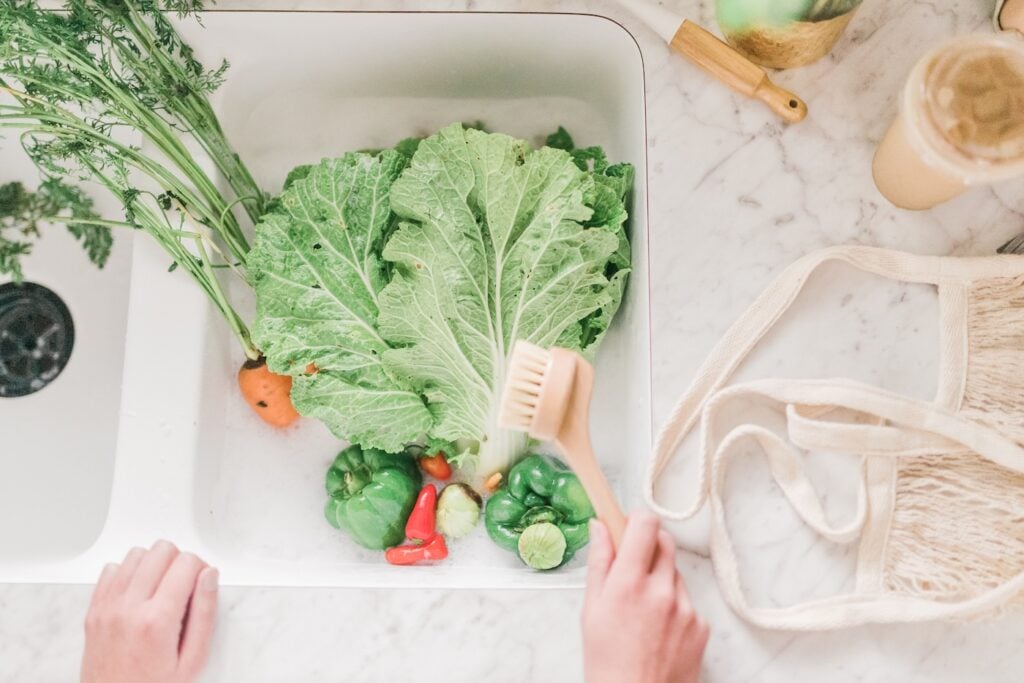
If you’ve ever started the week with an ambitious meal plan and ended up hours behind a deadline and texting your husband to pick up Indian takeout… you’re not alone.
For those of us who prioritize healthy food, we can create a lot of guilt when we don’t live up to our own standards. But this is another great example of a situation where we shouldn’t let perfect be the enemy of good.
And it’s why I’ve been drawn to the 80/20 approach to food.
The idea is simple: focus mostly on nourishing, whole foods while still leaving room for birthday cake, pizza night, vacations, and favorite family traditions without guilt.
For some people, this naturally overlaps with a more plant-forward approach or Flexitarian Diet where meals are centered around plants without requiring strict vegetarian or vegan rules.
The goal isn’t perfection. It’s more about consistency, flexibility, and creating habits you can maintain in daily life.
Why the 80/20 Rule Works for Families
One of the biggest benefits of the 80/20 approach is that it can reduce stress around food.
Instead of constantly feeling like you’re either “being healthy” or “falling off track,” the focus shifts toward balance. A single restaurant or drive through meal, holiday dessert, or hectic week doesn’t erase all the nourishing choices you make the rest of the time.
The key is letting go of the shame or pressure around it.
If you’ve eaten great all week and then beat yourself up for having pizza or a drink on the weekend, you aren’t reaping the benefits of this flexible lifestyle. For years, studies have shown chronic stress is worse for your health than smoking five cigarettes per day.
And when centenarians share their secrets to living past 100, they often include an indulgence like a daily cigar or soda. Some scientists and doctors say that this is due to the ritual and the enjoyment the person gets from it.
It’s less about the food itself and more about the mindset surrounding it.
The 102-year-old woman doesn’t mindlessly drink her daily Dr. Pepper while she scrolls Instagram. She pours the drink and sits down to savor it.
80/20 Eating in Real Life
There were seasons when my kids both played baseball, and evenings often felt like a race between school, homework, practices, and getting everyone fed.
Most nights, I did my best to make a healthy dinner before the games and have a lighter snack waiting when we got home. But if, on a Friday night, our team families wanted to head to the local Mexican restaurant, we were flexible enough to enjoy it.
A family friend who is a personal trainer takes a similar approach. During the week, he focuses on mostly home-cooked meals with lots of vegetables, protein, and whole foods. But on weekends, he leaves room for football tailgates, donuts with his kids, or relaxed meals out with friends.
Several years ago, I interviewed green living expert Sara Snow. Her father was the founder of Eden Foods. I asked about her family’s approach to eating and she said her parents “explained to us that we live this way and eat this way for a reason, but that it’s ok to go to a friend’s house and have a brownie or eat pizza. ‘Just pay attention to the way it makes you feel,’ they’d tell us. And I believe that empowered us to not only have balance, but also be educated to make our own health decisions.”
“We never felt trapped by the confines of a very rigorous or strict diet,” Sara added. “I think it’s even more relevant today – as parents can sometimes be extremist. You know, they decide to feed their kids organic food and become zealots about it. I think it’s good to set boundaries, but I also think it’s important to allow flexibility.”
The 80/20 Rule Can Support a Healthier Relationship with Food
Many people grew up with food rules rooted in guilt, restriction, or the idea that certain foods are “bad.” But when every meal becomes a moral decision, food can quickly become stressful.
The 80/20 approach encourages a gentler mindset. Instead of striving for perfection, the focus is on nourishing your body most of the time while allowing space for joy, celebration, culture, convenience, and real life.
That might mean homemade meals during the week and takeout on busy nights. It might mean mostly whole foods at home while still enjoying treats at a party or popcorn at the movies.
Ironically, releasing some of the pressure around food can help you make healthier choices more consistently over time.
This Approach Works for Real Life & Real Budgets
Food costs have risen dramatically in recent years, and for many families, eating perfectly organic or homemade all the time simply isn’t realistic.
The 80/20 mindset can help reduce some of that pressure.
Maybe you prioritize a few organic staples while buying conventional produce when needed. Maybe you cook at home most nights but rely on convenience foods during especially busy seasons. Maybe you choose affordable pantry basics like oats, beans, rice, eggs, frozen vegetables, or peanut butter because they stretch your grocery budget further.
A Gentle Reminder About Flexibility
Of course, there are situations where flexibility around food may not be appropriate — including food allergies, medical conditions like celiac disease, or eating patterns that feel triggering rather than supportive.
But for most people, the 80/20 approach offers something increasingly rare in wellness culture: permission to nourish yourself without needing to do everything perfectly.
Healthy eating doesn’t have to mean rigid food rules or never eating out again. The best approach is one that nourishes your body while still making room for joy, traditions, relationships, and real life along the way.