
The Flexitarian Diet: A Realistic Approach to Mostly Plant-Based Eating
Serving more plant-based meals to your family can be good for your health and good for your bank account. But many families aren’t planning to go fully vegan. So the flexitarian diet is a simply doable option.
Instead of focusing on strict rules or perfection, the flexitarian approach encourages eating mostly whole, plant-based foods while still leaving room for occasional meat, fish, dairy, or favorite family meals.
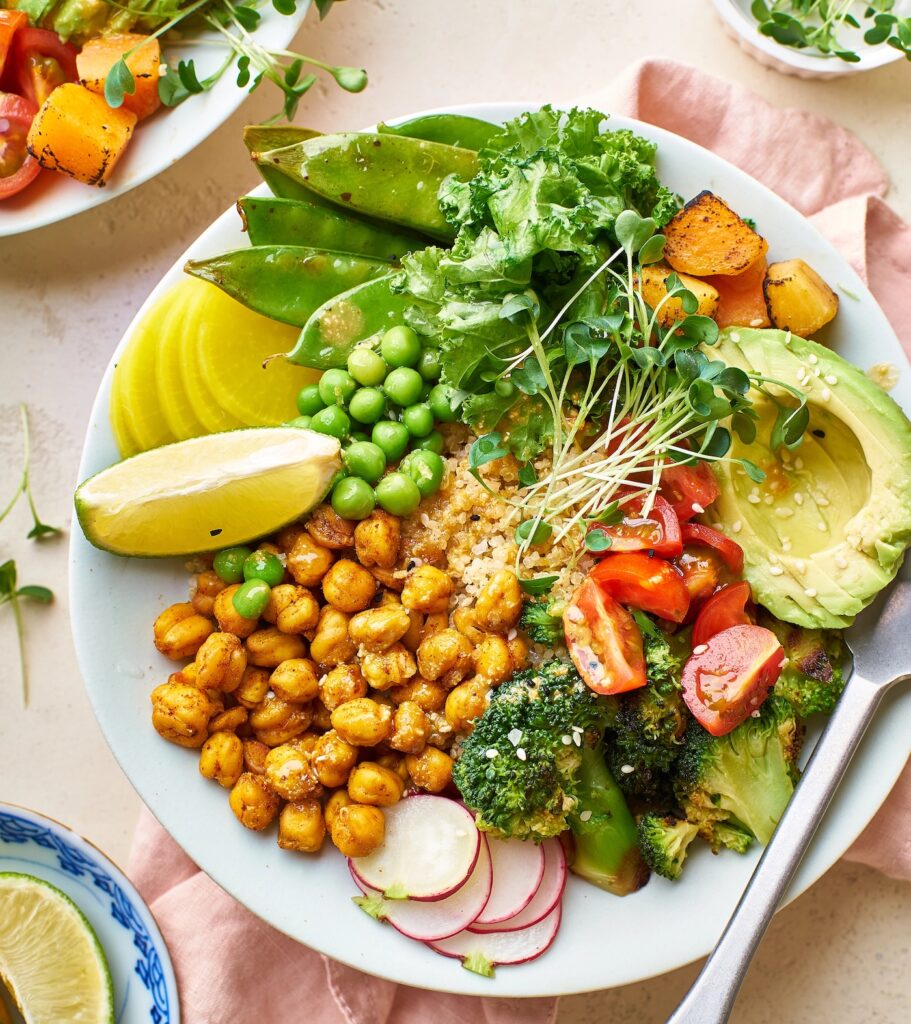
Here, we’re sharing an overview of the Flexitarian Diet, its benefits, why some people chose to adopt it, the best types of foods to eat, plus one week’s worth of meal ideas.
What is a Flexitarian?
The word “Flexitarian” was coined to describe people who are mostly vegetarian, but who make the occasional exception and eat meat or fish once in a while. For example, eating turkey on Thanksgiving, or ordering a meat dish rather than going hungry if there is nothing vegetarian on the menu.
Now, if you are a strict vegetarian, you may be thinking, “No way!” But flexitarian eating isn’t about abandoning your values or preferences.
For many families, the flexitarian approach feels more sustainable because it leaves room for real life. Instead of focusing on perfection, the goal is to eat mostly nourishing foods while allowing occasional flexibility for celebrations, travel, or favorite family traditions.
Flexitarianism isn’t limited to those interested in limiting their meat consumption.
You can apply a Flexitarian approach to other dietary restrictions as well, or indeed to just about any discipline. If you avoid sugar in your family, but allow your kids the occasional taste of cake and ice cream so they don’t feel left out at birthday parties, you’re already going flexi.
During the holidays the Flexitarian mindset allows you to make these decisions consciously ahead of time so you can relax and enjoy the occasion, rather than feeling pressured into breaking your rules and beating up on yourself afterwards for caving.
Benefits of a Flexitarian Diet
One of the biggest benefits of the flexitarian diet is that it feels realistic and sustainable for everyday life. Instead of focusing on strict food rules, the goal is to eat more nourishing, plant-based foods while still leaving room for flexibility and enjoyment.
Benefits of the flexitarian approach include:
- More plant-based nutrition – Flexitarian meals naturally emphasize vegetables, fruits, legumes, whole grains, nuts, and seeds, which can increase fiber and nutrient intake.
- Less pressure and perfectionism – Many people find that a flexible approach to eating feels easier to maintain long term than highly restrictive diets.
- Family-friendly meals – The flexitarian diet can be easier to adapt for households with different preferences, especially when not everyone wants to be fully vegetarian or vegan.
- More flexibility in social situations – There’s room for holidays, vacations, pizza night, birthday cake, and eating out without guilt or feeling like you need to “start over.”
- A gentler environmental impact – Even reducing meat consumption a few meals each week can support a more environmentally conscious lifestyle.
- A healthier relationship with food – Instead of labeling foods as strictly “good” or “bad,” the focus shifts toward balance, nourishment, and consistency over time.
What Flexitarian Eating Looks Like in Real Life
Here’s why some people chose this approach.
“After my kids were born and I started breastfeeding, I became more focused on the food I put in my body,” explains mother of two and business owner, Jennifer Aprea. “I really wanted to do a plant-based diet, but my body craves certain proteins, particularly eggs. Since I know my family won’t conform to a fully vegetarian or vegan lifestyle, and I don’t want to deny my body certain healthy cravings, I live a flexitarian lifestyle. Mostly plant-based, low sugar (but not zero sugar because I just can’t), mostly whole/non-processed foods, and when I do eat meat it’s mostly white, lean meat. It’s easy to stick to, I feel healthier, and my family has no trouble eating along with me.”
“I tend to get obsessive, and food is one of the ways this manifests poorly,” shares elementary school teacher and mother of three, Lindsay Heim. “Going Flexitarian helped me in several areas of my life. I’m letting go of my need to control things by allowing for little margins of error and not beating myself up over them. It has really changed my life for the better.”
What to Eat on a Flexitarian Diet
One of the reasons many people enjoy the flexitarian diet is that it’s flexible and realistic for everyday life. Instead of following strict food rules, the focus is on eating mostly nourishing, plant-based foods while still allowing room for occasional treats, restaurant meals, or family traditions.
Many people naturally approach flexitarian eating with an “80/20” mindset — choosing real, whole foods most of the time without stressing over perfection.
The 80/20 rule comes from the Pareto principle (also known as the law of the vital few, or the principle of factor sparsity), which says that roughly 80 percent of the results come from 20 percent of the effort.
A flexitarian diet typically includes:
- Vegetables
- Fruits
- Whole grains
- Beans and legumes
- Nuts and seeds
- Plant-based proteins like tofu or tempeh
- Healthy fats
- Eggs and dairy (if desired)
- Herbs and spices
- Meat or fish in moderation
The goal isn’t to eliminate entire food groups or feel guilty for enjoying pizza night or birthday cake. Instead, flexitarian eating encourages balance, consistency, and a healthier long-term relationship with food.
When a Flexitarian Approach May Not Be the Right Fit
While many people appreciate the flexibility of this style of eating, there are situations where moderation or exceptions may not work well.
Food allergies or medical conditions
If you or your child has food allergies or a medical condition like celiac disease, flexibility around certain foods may not be safe. In these cases, it’s important to follow medical guidance and avoid foods that could cause harm.
Deeply held ethical or religious beliefs
Some people choose vegetarian, vegan, Kosher, Halal, or other dietary practices based on deeply personal values or religious beliefs. For them, a flexitarian approach may not feel aligned.
When moderation feels difficult
For some people, moderation can feel more stressful than clear boundaries. If certain foods tend to trigger overeating, obsessive thoughts, or unhealthy patterns, it may feel better to avoid them altogether rather than trying to eat them occasionally.
Ultimately, the goal of flexitarian eating isn’t to force flexibility in every situation. It’s to create a healthier, more sustainable relationship with food in a way that supports your wellbeing and values.
Sample Flexitarian Meal Plan for One Week
Grab our printable meal planner and get started with this one-week flexitarian meal plan to help you get started.
Monday
Breakfast: Tofu scramble with mixed veggies and spices
Lunch: Salad with greens, corn, black beans, and avocado
Dinner: Lentil soup with whole-grain bread and a side salad
Tuesday
Breakfast: Einkorn flour waffles with fresh organic berries
Lunch: Spinach wrap with hummus, vegetables, and roasted chickpeas
Dinner: Grilled salmon, baked sweet potato, and green beans
Wednesday
Breakfast: Avocado toast and poached eggs
Lunch: Burrito bowl with brown rice, beans, and vegetables
Dinner: Zucchini noodles with tomato sauce and a side salad
Thursday
Breakfast: Coconut raspberry, kiwi smoothie bowl
Lunch: Roasted tomato soup and Caesar salad
Dinner: Baked chicken and cauliflower rice
Friday
Breakfast: Greek yogurt with blueberries and pumpkin seeds
Lunch: Sweet potato + wild rice harvest bowl
Dinner: Pizza night – make your own or order out
Saturday
Breakfast: Blueberry pear oatmeal skillet
Lunch: Chickpea salad pita sandwich with fresh fruit
Dinner: Black bean burgers with avocado and sweet potato fries
Sunday
Breakfast: Steel-cut oats with apples, milled flaxseed, and cinnamon
Lunch: Quinoa salad with dried cranberries, pecans, and feta cheese
Dinner: Roasted garlic chicken bone broth soup and a side salad
The flexitarian diet offers a gentler, more realistic approach to healthy eating — one that leaves room for nourishment, enjoyment, and real life. For many families, that balance is what makes healthy habits feel sustainable long term.