
The Best Non-Toxic Bassinets
Looking for the best natural and non-toxic bassinet or co-sleeper? This guide has everything you need to choose a safe sleep space for your newborn, including non-toxic bedside bassinets, eco-friendly Moses baskets, and co-sleeper options designed to keep baby close during those early months.
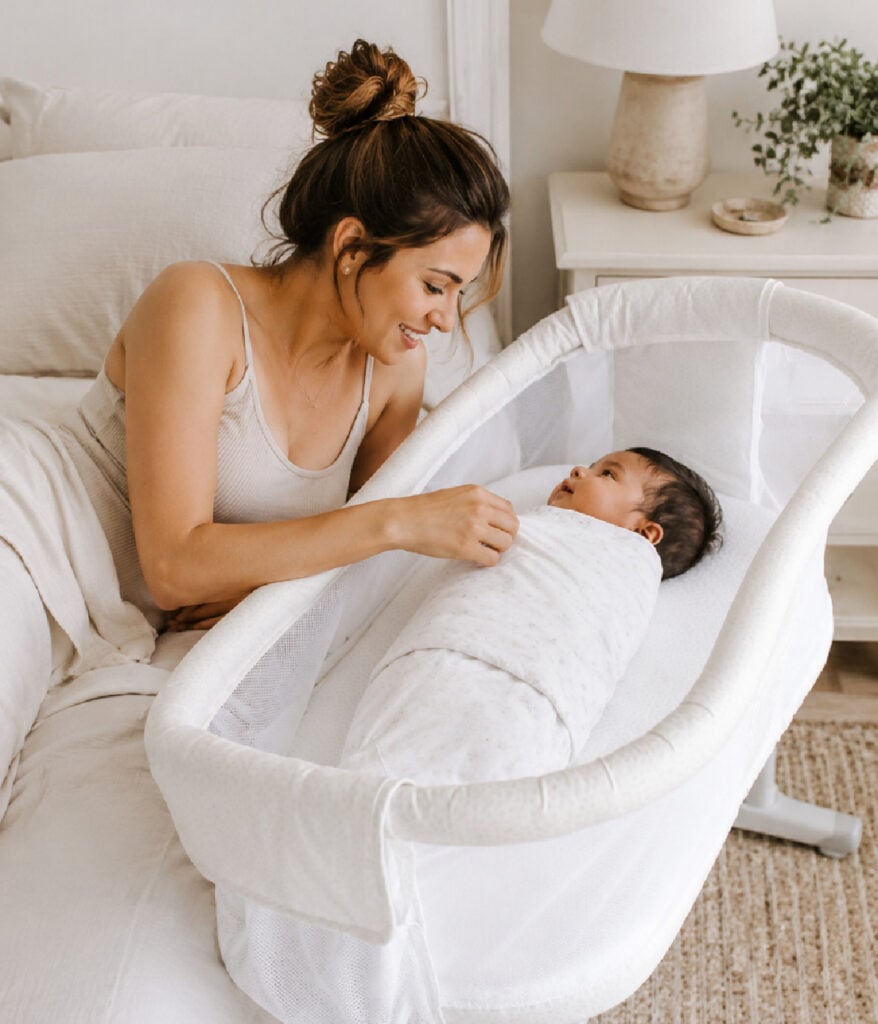
When preparing for a baby, there’s one thing that most parents would agree is top of mind: baby sleep. It doesn’t help that oftentimes veteran parents meet the news of someone else’s upcoming baby with, “sleep while you can” and “better rest up now”.
It can leave expecting parents wondering:
How often will the baby sleep? Will the baby ever sleep? Will I ever sleep again?
We may not be able to answer those questions. (Odds are that exhaustion will set in for everyone at some point, and you will in fact sleep again.) But we can help you tackle the question of: “Where will the baby sleep?”
Will I Need a Bassinet?
A bassinet provides a safe, convenient place for babies to sleep during those early months of life. Smaller than a crib and often designed with breathable mesh sides, bassinets make it easier to keep your baby close while maintaining a separate sleep space.
The AAP recommends that babies sleep in the same room as their parents on a separate, firm sleep surface designed for infant sleep, for at least the first six months. A bassinet can make room-sharing easier during those early months.
Non-toxic bassinets are considered the safest sleep option for babies, especially in comparison to sleep loungers and pillows that are not products designed as a safe sleeping place for babies. The popular infant pillow, Boppy, experienced a mass recall due to potential risk and consequential infant deaths when used as a sleep solution.
How long do babies sleep in a bassinet?
Most babies use a bassinet for the first few months of life, though the exact timeline varies. Some babies transition to a crib or play yard before six months because they’ve reached the bassinet’s weight limit or become more mobile.
In general, it’s time to move your baby to another approved sleep space when they begin showing signs of rolling over, pushing up on their hands, sitting up, or pulling themselves up independently. Many bassinets also have weight limits between 15 and 20 pounds. Be sure to follow the manufacturer’s guidelines for your specific model.
Remember that developmental milestones matter more than age. Even if your baby hasn’t reached the stated age limit, increased mobility means they’ve likely outgrown the bassinet and are ready for the next stage of safe sleep.
Where do you put a bassinet?
Bassinets are designed to fit by your bedside. This keeps baby close to you, but safe from SIDS and potential falls. Many bedside bassinets are designed to accommodate parents who may have had a C-section as the sides are lower to prevent pressure on your stomach while bending over to pick up your baby.
Today, many bassinet models are also portable and some strollers even come with bassinet attachments, so baby can sleep comfortably while on the go.
Are bassinets safe?
The Safe Sleep for Babies Act was passed in May of 2022. It prohibits crib bumper pads and inclined sleep products from being manufactured and sold in the U.S. The reasoning behind the new law is that these products have caused safety issues (included more than 100 fatalities) over the years.
Bassinets don’t fall into the same category as inclined bouncer seats, but many parents used inclined sleepers as an alternative for sleeping in the same room. You can rest assured that these bassinet recommendations meet all of the latest CPSC standards. And we go a step further to rule out the ones with toxic chemicals with this list of natural bassinets.
What Are VOCs and What Is Off-Gassing?
Many conventional bassinet mattresses and baby products are made with synthetic foams, adhesives, waterproof coatings, and chemical flame retardants. These materials can release volatile organic compounds (VOCs) into the air, especially when products are new. This process is known as off-gassing.
VOCs are a large group of chemicals used in the manufacturing of everything from furniture and flooring to mattresses and baby gear. Some VOCs are relatively harmless, while others have been linked to irritation, headaches, respiratory issues, and other health concerns with significant or prolonged exposure.
Several VOCs that have been found in conventional foam products include:
- 1,3-butadiene
- Benzene
- Formaldehyde
- Methylene chloride
- Tetrachloroethylene
- Toluene
- Xylene
Because newborns spend so much time sleeping and their bodies are still developing, many parents choose bassinets made with simpler materials and mattresses free from unnecessary chemical treatments whenever possible.
It’s important to remember that exposure exists on a spectrum. The goal isn’t to create a perfectly chemical-free environment—which isn’t realistic—but to reduce avoidable exposures where practical and prioritize the products your baby uses most often.
How We Chose the Best Non-Toxic Bassinets
Our list focuses on bassinets that are designed for safety and are free from (or contain fewer) worrisome chemicals you don’t want near your baby. A newborn is small and all of the body’s systems are still developing, so they are especially sensitive to the VOC’s, formaldehyde, flame retardants, and other off-gassing chemicals found in conventional baby gear.
Baby gear changes quickly. And possibly no category is harder to keep up with than bassinets. Models are discontinued, retailers stop carrying certain products, manufacturers update materials, and safety standards continue to evolve. That’s why you’ll sometimes find outdated recommendations in even the most popular bassinet guides.
Rather than chasing every new release, we believe the best approach is to help you understand what matters most. If you know what to look for, you’ll be able to choose a safer option for your baby whether you buy one of our recommendations, discover a new model, or accept a hand-me-down from a friend.
When evaluating a bassinet, we look for:
- A firm, flat sleep surface that meets current safety standards
- Breathable mesh sides that promote airflow and visibility
- Mattresses and fabrics made without unnecessary chemical treatments whenever possible
- Materials that avoid chemical flame retardants, PVC, and phthalates
- Greater transparency around certifications and material disclosures
- Organic, OEKO-TEX®, or other independently tested fabrics when available
- Clear guidance about weight limits and developmental milestones that signal it’s time to transition out of the bassinet
No bassinet is perfect, and truly non-toxic options can be difficult to find. Our goal isn’t perfection. It’s to help you reduce avoidable exposures, prioritize the products your baby uses most, and make informed choices with confidence.
This baby gear guide contains affiliate links. See our disclaimer.
The Best Non-Toxic Bassinets
We reviewed material disclosures, certifications, safety standards, and parent usability when selecting these bassinets. Because truly non-toxic baby gear can be difficult to find, we prioritized safer materials and transparency while ensuring each option meets current U.S. safety requirements.
Now, here are some of our favorite non-toxic bassinets.
Halo BassiNest® Glide Sleeper Bassinet
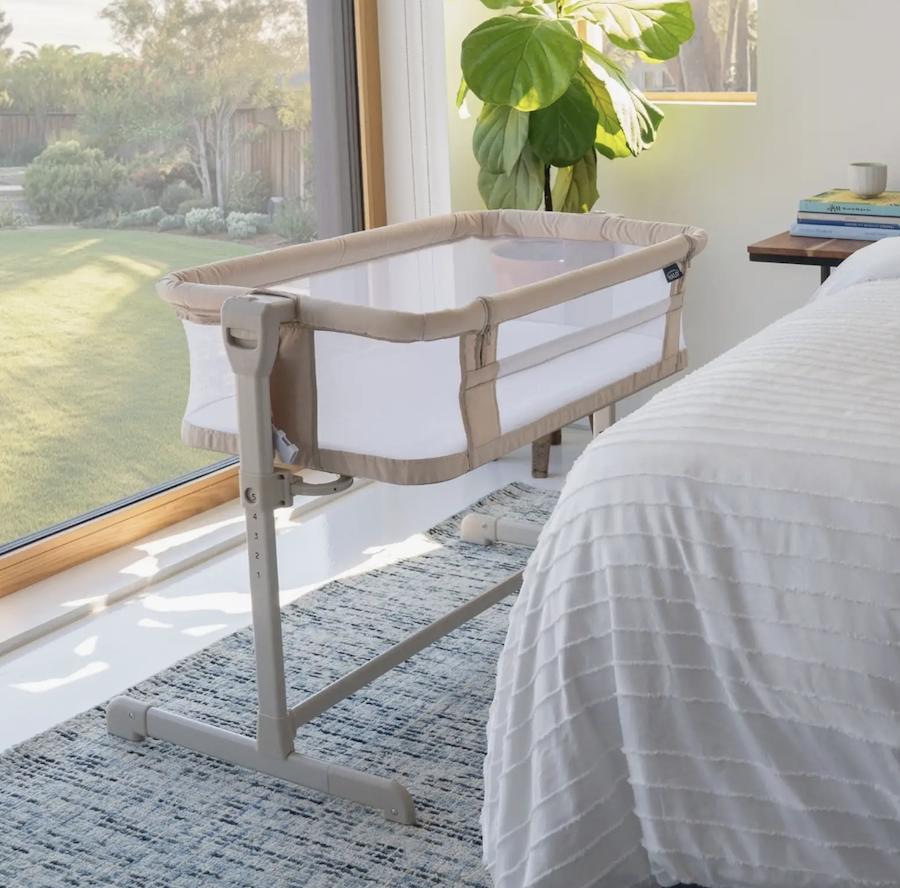
Designed to glide easily across any floor surface, including carpet, HALO’s Glide Sleeper Bassinet features breathable mesh walls and is BPA-free. Simply slide the bassinet in and out to make getting in and out of your own bed simple.
This bedside bassinet keeps baby at your eye level, so you can make sure they are safe and comfortable as you rest. And if you have to attend to them, the non-toxic bassinet’s side wall lowers and automatically returns. HALO also offers an organic bassinet mattress that is free from flame retardants.
Babyletto Gathre Capsule
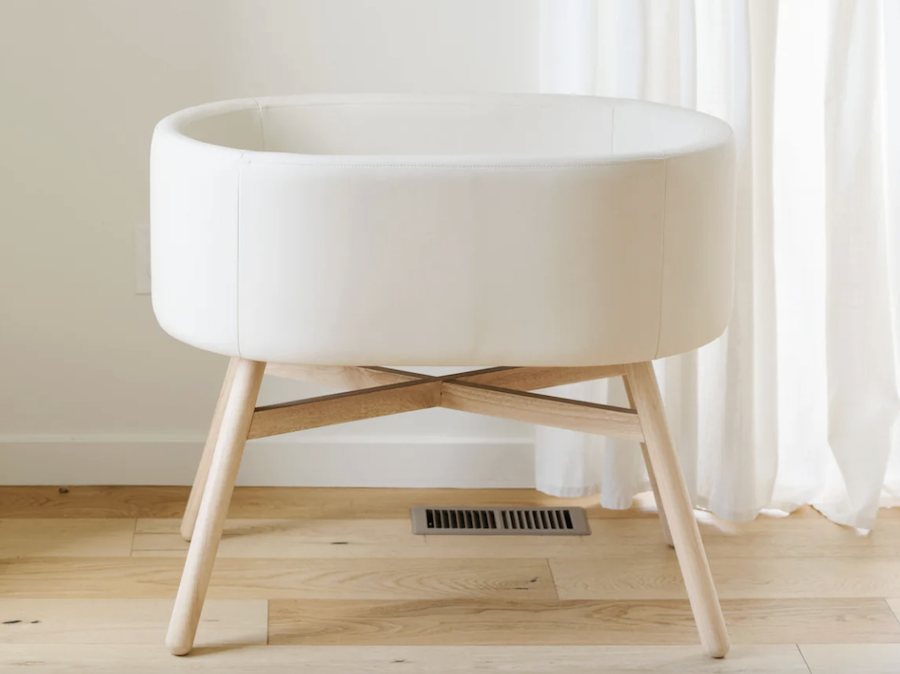
The Babyletto x Gathre Capsule Bassinet combines Babyletto’s commitment to low-emission nursery products with Gathre’s signature modern style. The GREENGUARD Gold Certified bassinet features breathable mesh sides, a portable removable basket, and a separate sleep surface designed to keep baby close during those early months.
While the wipeable exterior uses Gathre’s signature polyurethane-coated material rather than natural fibers, we appreciate Babyletto’s transparency around chemical testing and their avoidance of added flame retardants, lead, and phthalates.
Maxi Cosi Iora Bedside Bassinet
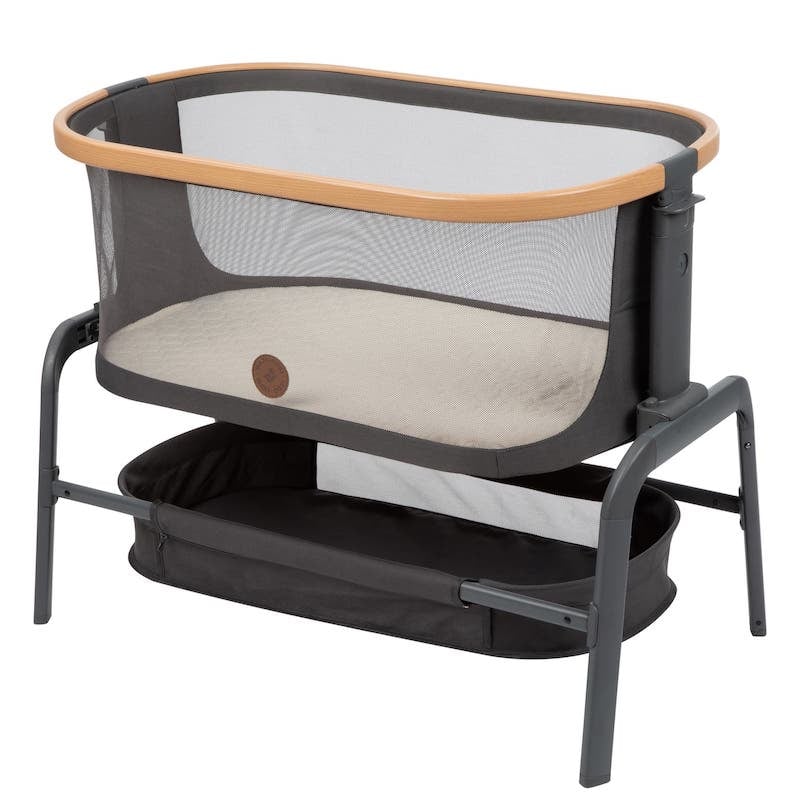
For maximum comfort, the Maxi Cosi bassinet comes with its own safe and comfortable mattress. It is great for travel or for moving around the house to different rooms, as it easily folds up and reassembles.
This non-toxic bassinet has breathable mesh sides and features five height positions and three slide positions. It also offers a large storage basket underneath to keep baby wipes, diapers, and other essentials on hand. Find it at Maxi Cosi or Walmart.
BABYBJORN Cradle
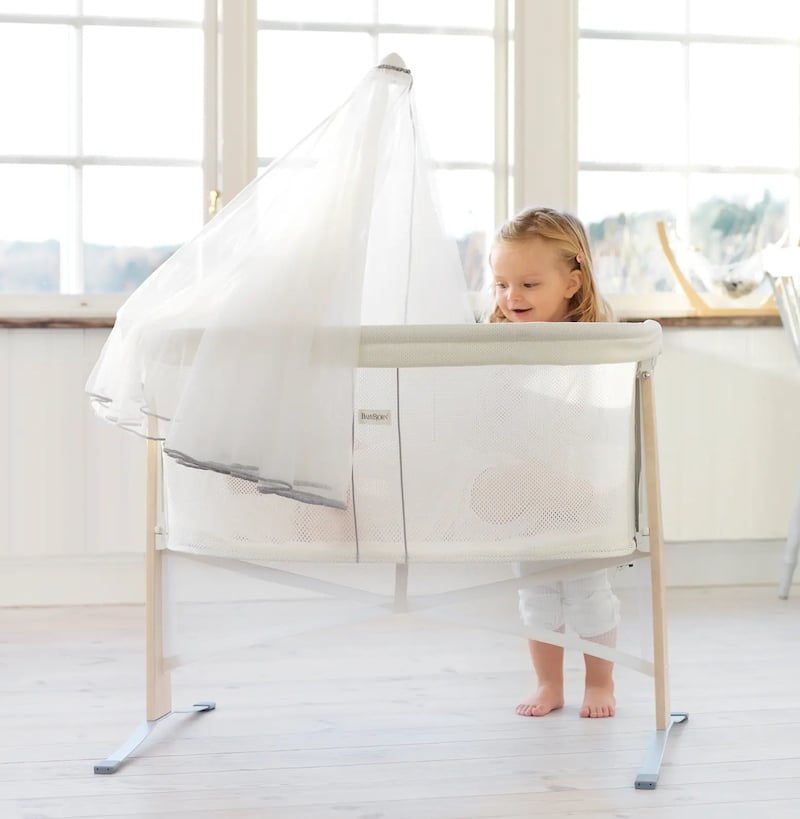
We like the simplicity of BABYBJÖRN’s Cradle. Their fabrics are Oeko-Tex Standard 100 and contain no health-hazardous substances. This formaldehyde free bassinet also features breathable sides and the gentle rocking motion can help soothe baby back to sleep.
The fabric and mattress cover are easily removable to wash. It’s also light and compact so you can easily move it from room to room.
Halo Bassinest Premiere Swivel Sleeper
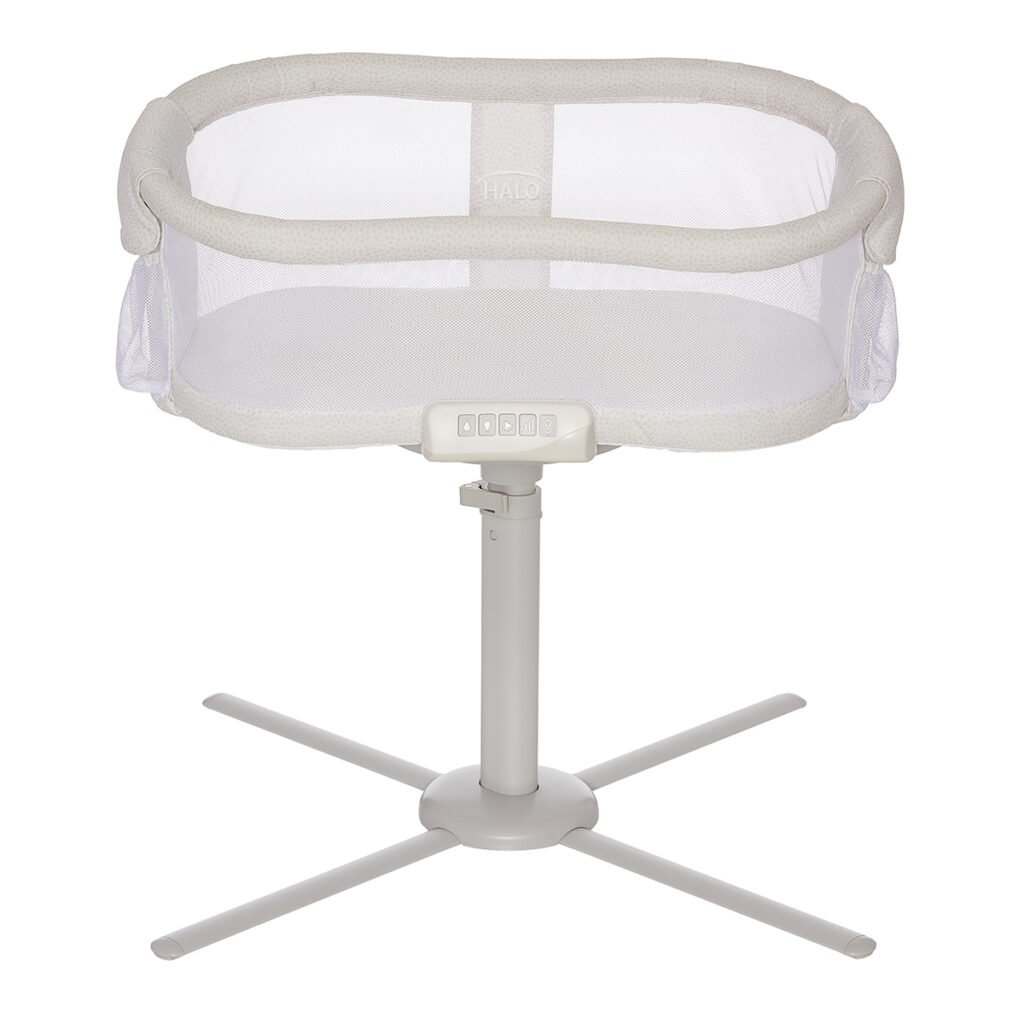
Another fan favorite from HALO, the Premiere Swivel Sleeper rotates 360 degrees so you can sleep as close as you like to your baby while keeping them safely contained. In our experience, the fully rotating design makes it smooth and really useful.
This BPA-free mesh sided bassinet swivels outward when you need to get up and out of bed. Like the Glide model, the Swivel Sleeper has a patented side wall that lowers and returns automatically. And it features soothing sounds and lullabies, a back to bed reminder, nightlight, and vibration options.
Keep these cantilevered bassinet safety tips in mind if you receive or choose this type of product.
Nuna SENA Aire Play Yard
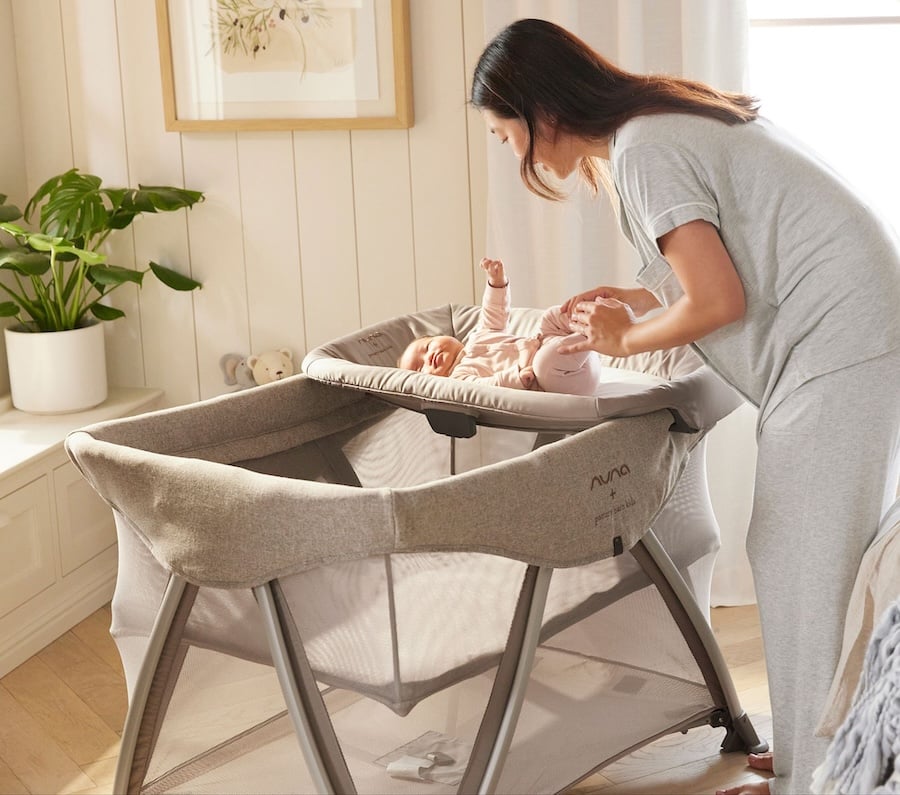
If you’d rather invest in one sleep space that can grow with your baby, the Nuna SENA Aire is one of our favorite bassinet alternatives. GREENGUARD Gold Certified and designed with mesh sides, a ventilated mattress, and 360-degree airflow, it functions as a newborn bassinet before transitioning into a travel crib and play yard.
We especially appreciate the included GOTS-certified organic cotton sheet and Nuna’s commitment to lower-emission products. While it isn’t made entirely from natural materials, its combination of safety features, versatility, and transparency makes it one of the strongest options in this category.
Arm’s Reach Co-Sleeper
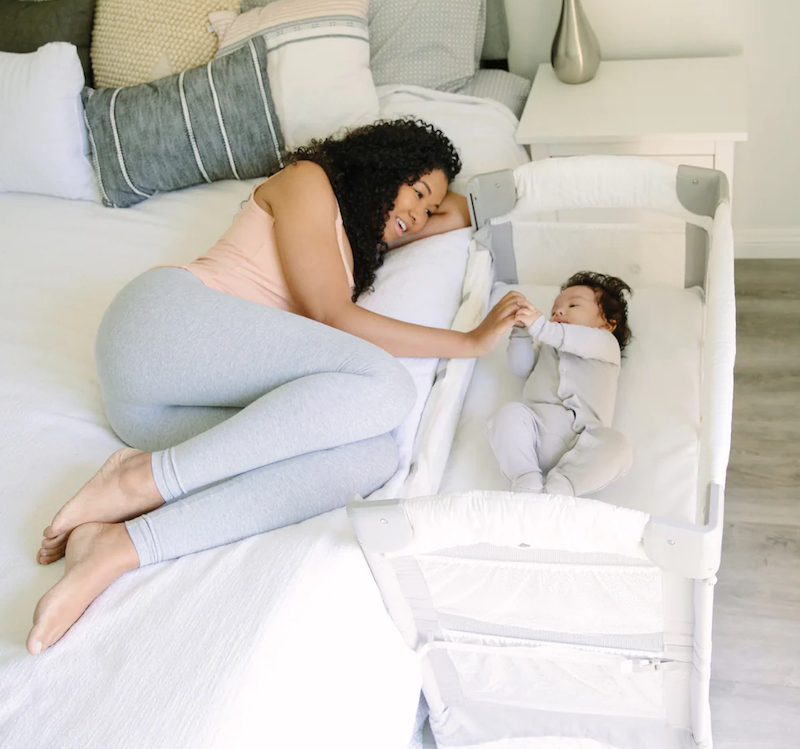
We continue to include Arm’s Reach because of its long-standing reputation as one of the original bedside co-sleepers and because it offers a separate sleep surface that makes room-sharing and breastfeeding easier for many families. However, the company provides limited transparency about its mattress materials.
Third-party sources indicate the mattress contains polyurethane foam and engineered components, and while reviewers note that the bassinet does not use added chemical flame retardants, parents prioritizing natural materials may prefer a bassinet with greater material disclosure.
Best Moses Baskets
Moses baskets are another safe and approved sleep option for many babies during the first few months of life. Lightweight and portable, they make it easy to keep your newborn nearby while moving from room to room throughout the day.
Many Moses baskets are handcrafted from natural materials such as palm leaf or elephant grass, making them an appealing choice for families looking to reduce unnecessary chemical exposures in the nursery. As with any infant sleep space, use only the mattress designed for the basket and place it on a firm, stable surface away from hazards.
One of the things we love most about Moses baskets is that their usefulness doesn’t end when your baby outgrows them. They can be repurposed for years to come as toy storage, a blanket holder, a spot for dress-up clothes, or even a closet organizer for spare sweaters and keepsakes.
Here are two of our favorites:
Bilia Bassinet with Organic Insert
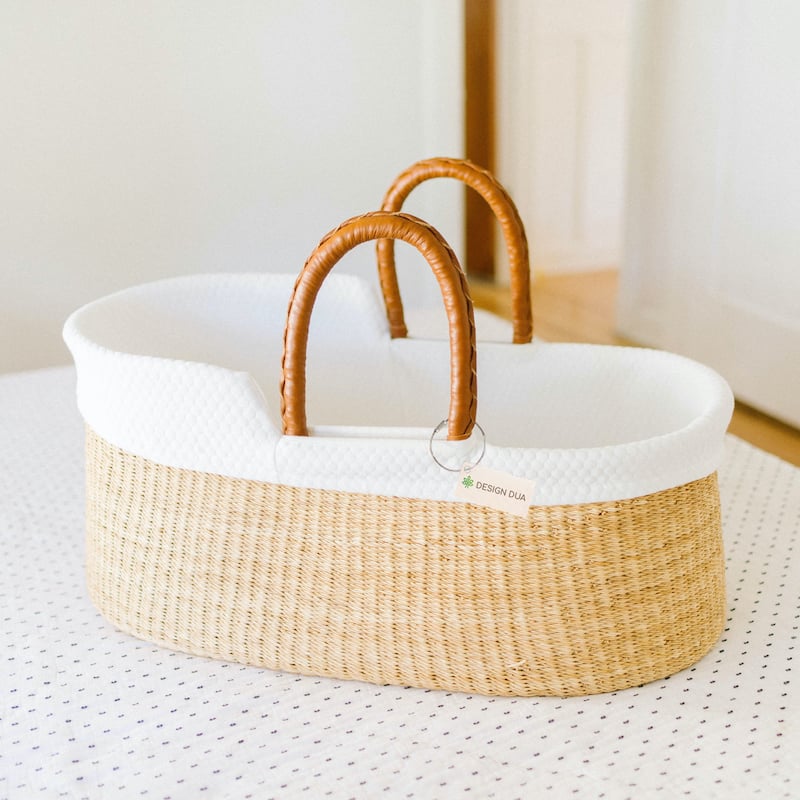
Handmade in Ghana from natural elephant grass, the Signature Bilia Bassinet remains one of the most beautiful Moses basket options available. You can buy it as a basket only or bundled with organic accessories, including GOTS-certified cotton bedding and Design Dua’s organic kapok mattress option.
The basket itself is free from flame retardants and synthetic materials, making it a favorite among parents looking for a more natural newborn sleep space. Always use only the mattress designed for the basket and follow the manufacturer’s safe sleep guidelines.
Plum + Sparrow Moses Basket
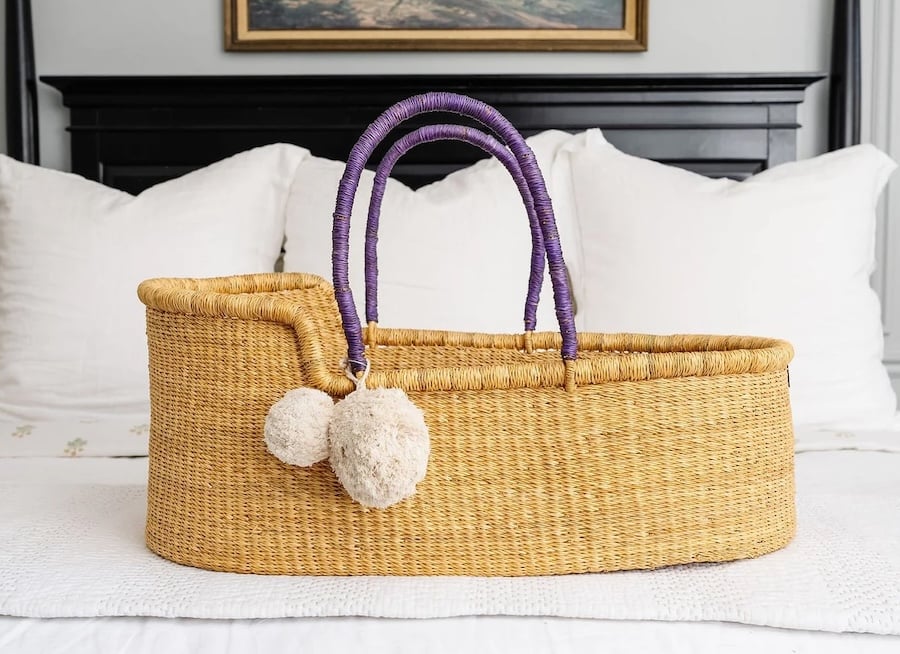
Handwoven by artisans in Ghana, the Plum + Sparrow Moses Basket is made from natural elephant grass and dyed using native plant dyes. The basket itself is free from added chemical flame retardants and features soft vegan-wrapped handles for a modern look that still honors traditional craftsmanship.
Each basket includes a mattress and decorative pom set, and additional bedding and stands can be purchased separately. We also appreciate that Plum + Sparrow works directly with artisans and pays above Fair Trade standards, helping preserve generations of weaving traditions while supporting the communities behind these beautiful heirloom pieces.
As with any Moses basket, be sure to use only the mattress designed for the basket and discontinue use once your baby shows signs of rolling over or sitting up independently.
What to Look for in a Non-Toxic Bassinet Mattress
Because bassinet mattresses are typically sold to fit a specific model, most parents aren’t shopping for them separately. Instead, it’s worth paying attention to the materials that come with the bassinet you’re considering.
When evaluating a bassinet mattress, look for:
- A firm, flat sleep surface that meets current safety standards
- Covers made without PVC or vinyl whenever possible
- Certifications such as OEKO-TEX®, GOTS, or GREENGUARD Gold when available
- Mattresses free from added flame retardants
- A snug fit designed specifically for that bassinet model
Avoid adding aftermarket padding, memory foam toppers, or extra cushioning. Even “natural” additions can create an unsafe sleep environment for newborns.
What to Do When You’re Finished With Your Bassinet
If you plan to have another child, store the bassinet with your other large baby gear. If you won’t need it again, you can sell or donate it. Passing along gently used items can help make any baby gear item eco-friendly. You can find plenty of parents who are eager to buy gently used baby items on eBay, Marketplace, or through local parenting groups.
You can also use the new trade in program from GoodBuy Gear. “Most baby and kid gear is designed to far exceed the average time a family actually needs it,” explains Kristin Langenfeld, CEO and co-founder of GoodBuy Gear. They offer a program that gives parents the opportunity to keep perfectly good gear in circulation longer by passing it along to another family—all while earning cash toward their own child’s next milestone and reducing their carbon footprint by up to 82%.
Editor’s Note: We updated this nontoxic bassinet guide in 2026 to reflect current safe sleep recommendations and remove discontinued models.
Healthy Sleep Resources for Babies & Small Children
You might also find these bedroom and sleep related tips helpful:
Guide to the Best Non Toxic Crib Mattresses
The Best Organic Mattresses for Kids
Montessori Floor Beds – Best options plus DIY
Top 8 Guided Meditations for Sleep
Naturepedic’s Verse Mattress for Kids Review
How to Choose the Best Organic Mattress for Adults
How Blue Light Affects Toddlers’ Sleep
And while you are in baby prep mode, don’t forget to also prepare for your own postpartum period.

Hi, can you speak more about the Maxi Cosi’s nontoxic properties? Is it organic and made with nontoxic chemicals?
Thanks for the question, Lindsay. We’ll reach out to the brand and report back.