
The Best Eco-Friendly Baby Products for 2026
Looking for the best eco-friendly baby products? Our non-toxic baby gear reviews and guides help you find safer options for sleep, travel, feeding, diapering, and play without spending hours researching materials, certifications, and chemical disclosures on your own.
Shopping for baby gear shouldn’t require a chemistry degree.
From flame retardants in car seats to vinyl changing pads and synthetic fragrance in baby products, many parents are surprised to learn how many unnecessary chemicals can show up in items designed for infants.
You’re here because you care about giving your child the healthiest start possible. If you’re like us, you’re concerned about the chemicals in the items we use every day. Why are they there in the first place? And especially when it comes to baby gear?
At Green Child, we’ve been reviewing baby gear for more than 15 years. We’ve navigated every stage of babyhood ourselves, interviewed safety experts, dug through certifications and materials lists, and updated our recommendations year after year to help parents make more confident choices.
Whether you’re building a baby registry, shopping for a baby shower gift, or replacing one item at a time, this guide will help you find the best eco-friendly baby products for every stage of your baby’s first years.
Our Favorite Eco-Friendly Baby Products for 2026
If you’re short on time, these are the products and guides parents ask us about most often.
Sleep
- Best Crib Mattress: Naturepedic Classic Organic Cotton Crib Mattress (Save 15% with code GREENCHILD15)
- Best Bassinet: Baby Bjorn Oeko-Tex Certified Cradle
- Best Sleep Aid: Dream Weighted Sleepsack
Explore all of our recommendations in our complete sleep guides:
The Best Nontoxic Crib Mattresses
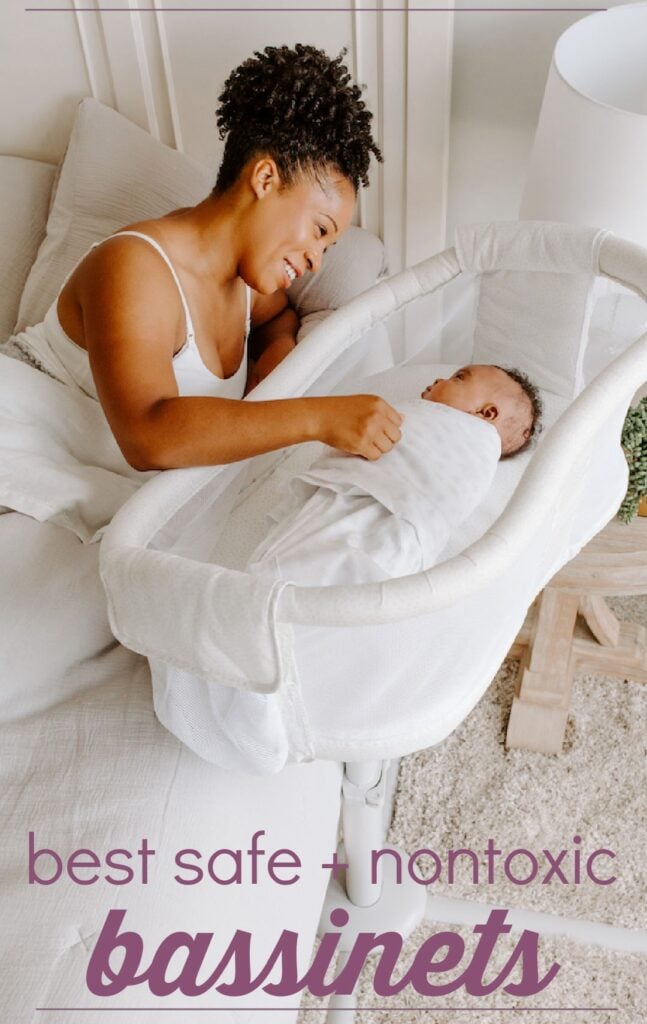
Safe Bassinets and Co-Sleepers
Safe Sleep Aids for Baby
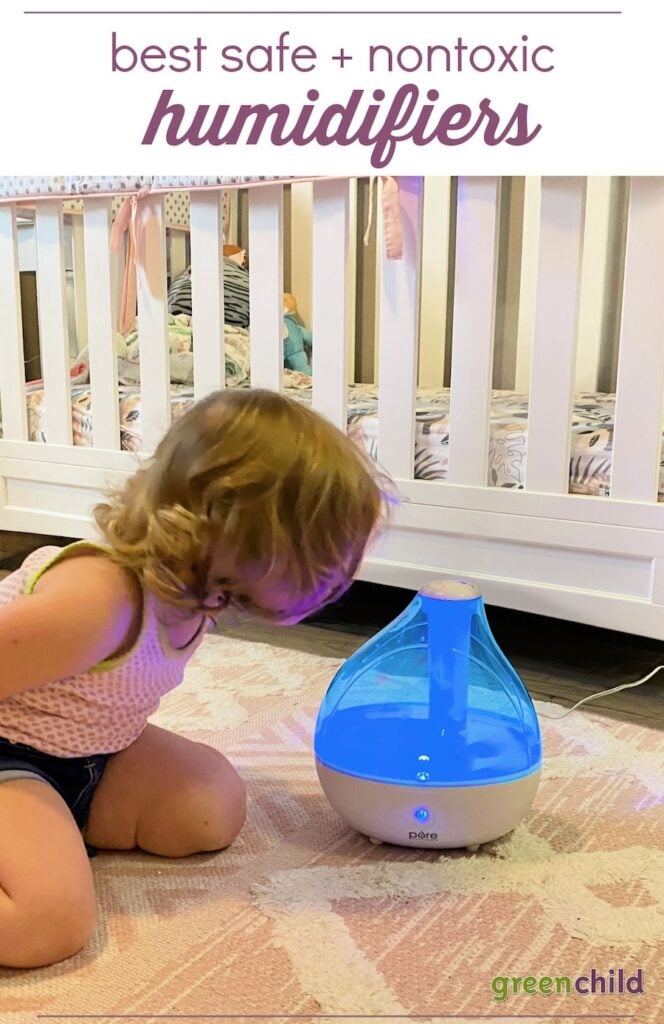
Best Humidifiers for Baby’s Room
Travel
- Best Infant Car Seat: Nuna Pippa Aire Infant Car Seat
- Best Convertible Car Seat:
- Best Stroller:
- Best Baby Carrier:
See our full travel gear reviews for more details and additional options:
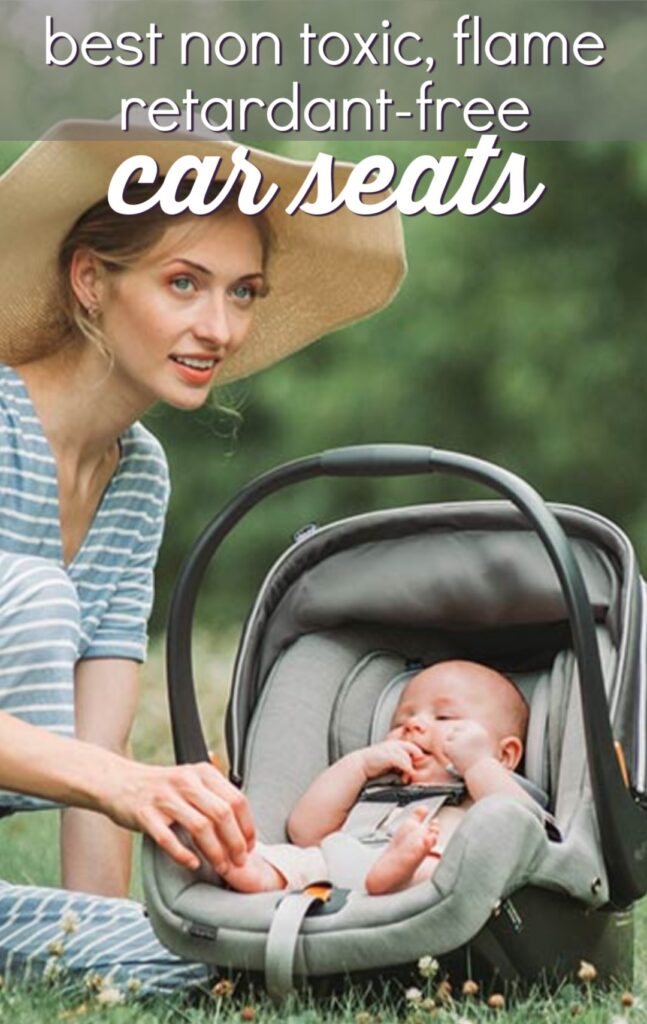
Non Toxic Car Seats – Free From Chemical Flame Retardants
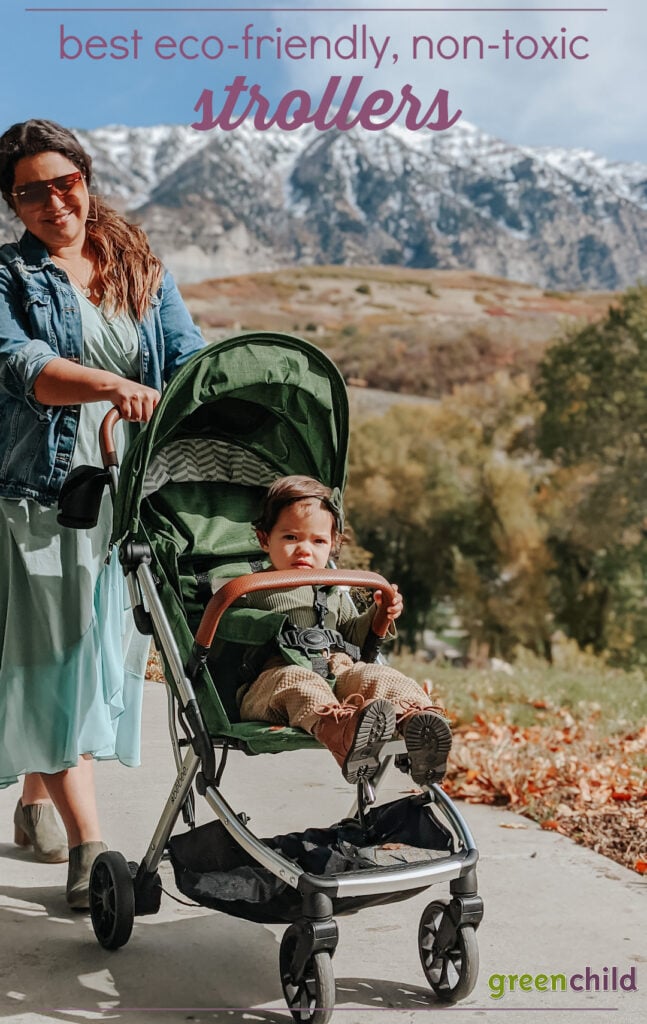
The Best Eco Friendly Strollers
Sustainable and Safe Babywearing Carriers, Wraps, and Slings
Feeding
- Best Breastfeeding Essential:
- Best Feeding Resource: Homemade Baby Food Guide
- Best Starting Point: Baby-Led Weaning Guide
Find more feeding tips and tools for baby here:
Natural Breastfeeding Supplies
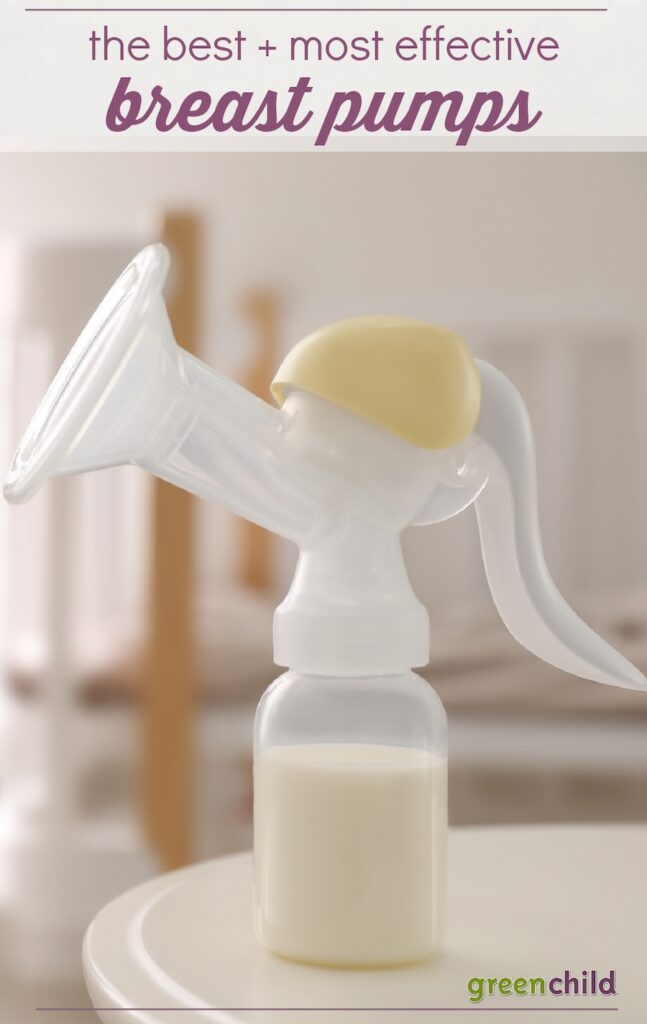
How to Choose a Breast Pump
Diapering
- Best Disposable Diaper:
- Best Cloth Diaper:
- Best Cloth Diaper Resource: Cloth Diaper Guide
- Best Diaper Rash Support: DIY Diaper Rash Cream
The Best Nontoxic Disposable Diapers
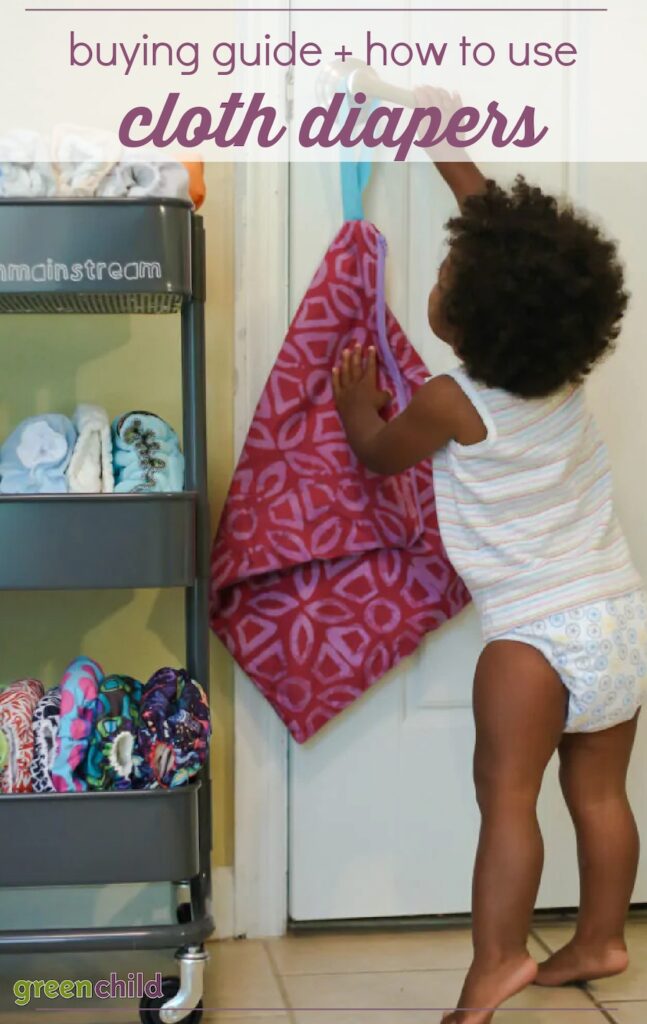
Guide to Using and Buying Cloth Diapers
DIY Cloth Baby Wipes
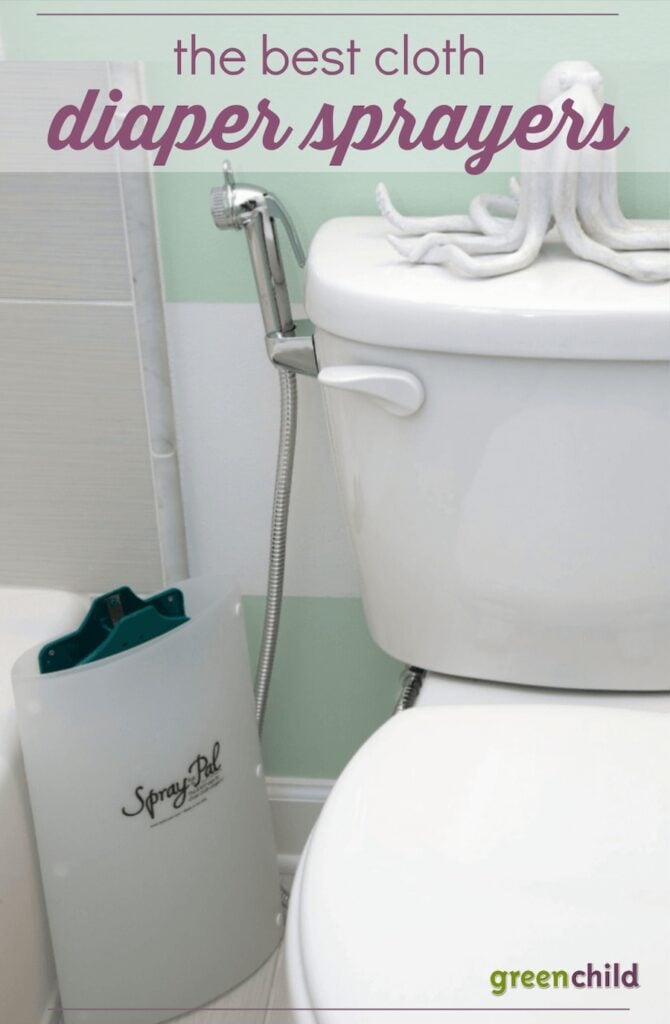
The Best Cloth Diaper Sprayers
DIY Diaper Rash Cream
Bath and Skin Care
- Best Baby Skin Care Resource: Natural Baby Bath and Skin Care Guide
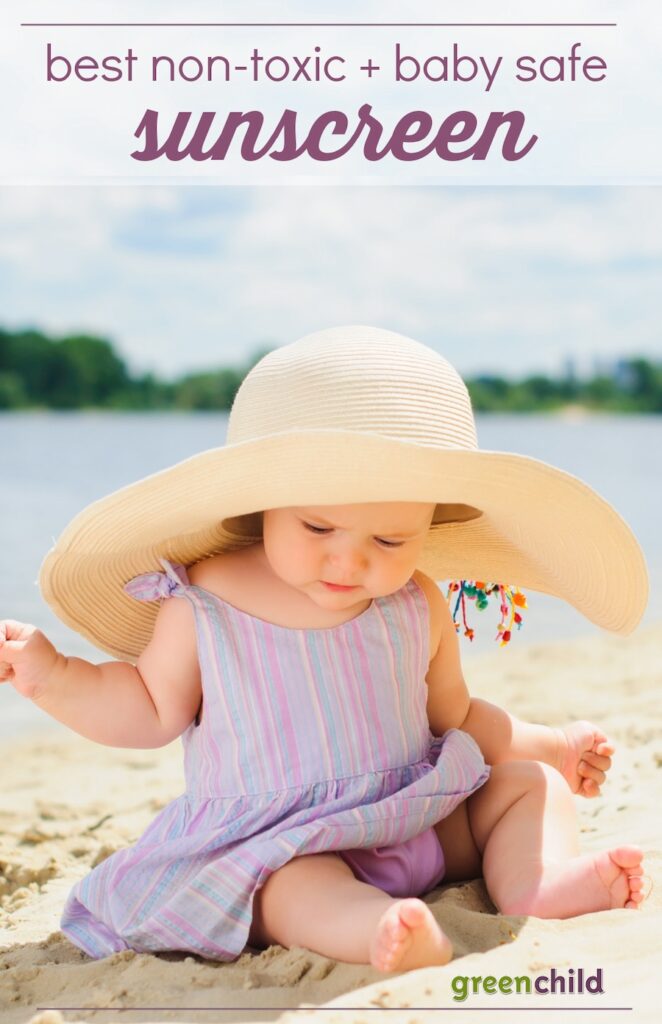
- Best Sunscreen for Baby: Tubby Todd Sunstick (recommended for babies 6 months+)
Natural Baby Bath and Skin Care Items
Complete Sunscreen Guide for Babies and Kids
Toys
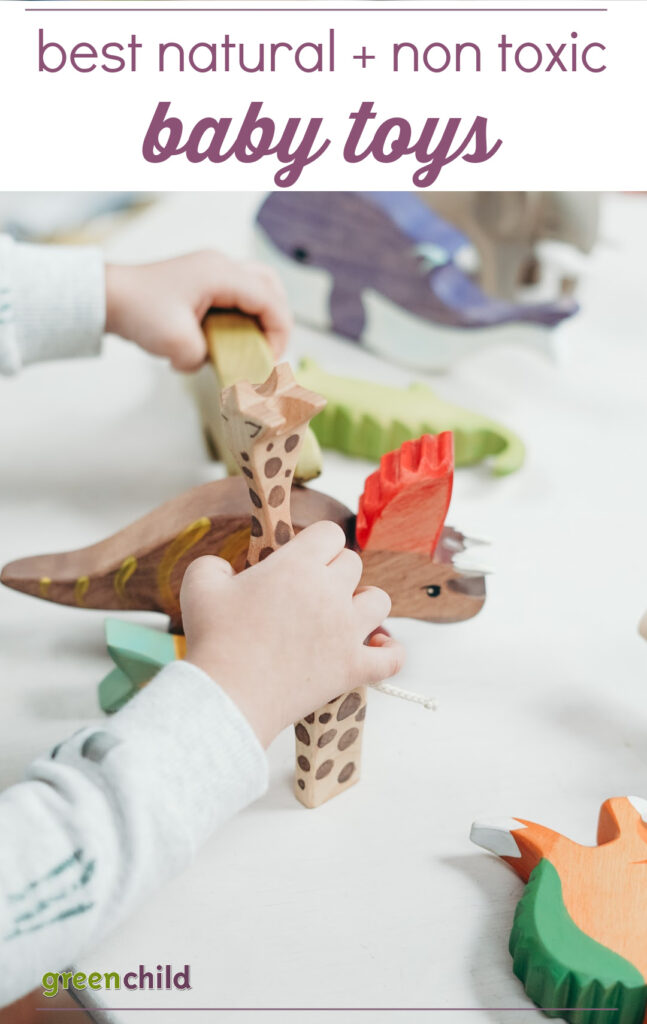
Nontoxic Baby Toys
Are Plastic Toys Safe for Babies?
Why and How to Choose Battery Free Toys
How We Choose Eco-Friendly Baby Products
When we recommend baby gear, we look beyond marketing claims.
We review certifications and materials disclosures, examine third-party testing when available, read ingredient and materials lists carefully, and ask manufacturers detailed questions about how their products are made. We also consider practicality, durability, and whether a product genuinely earns its place in family life.
Because a baby’s brain, lungs, and nervous system are still developing, toxins are more damaging to their small bodies than they are to adults. Unfortunately, endocrine disrupting chemicals are all around us.
From food to detergents and plastic toys, it seems like there’s no escape. However, if you focus on avoiding the dirty dozen endocrine disruptors (as defined by the Environmental Working Group), you can reduce your and your family’s chemical body burden.
When we recommend eco-friendly baby products, we examine third-party testing, carefully read ingredients lists, and ask in-depth questions to make sure they don’t contain these toxic chemicals:
- formaldehyde
- flame retardants
- VOCs
- PVC
- harmful phthalates
- BPA + BPS (bisphenols)
- lead + other heavy metals
- synthetic fragrance
- PFAS (we’re still researching these and adding them to each guide)
A note about PFAS: Because testing and disclosure standards are still evolving, it isn’t always possible to verify whether every baby product is completely free from PFAS. When information isn’t readily available, we contact manufacturers directly and update our guides as new information emerges.
Do You Really Need a Ton of Baby Gear?
Many parents don’t have the space or choose not to create a separate room for baby. In the baby prep stages, we call this nesting without a nursery.
If you’re going to travel by car with your baby, a non-toxic car seat would make your must-have list. But if you like to keep baby close, you may use an organic baby carrier more often than a stroller – especially in those early days.
You’ll be relieved to know that our guides include sections to help you decide whether you really need an eco-friendly baby product or not.
What to Do With Baby Gear When You’re Finished
Eco-friendly choices don’t end at checkout.
Many of the products we recommend are designed to last long enough to be used again, whether by younger siblings, friends, or another family in your community.
Depending on the item, you may be able to:
- Donate it locally
- Sell it secondhand
- Pass it along to family or friends
- Recycle components responsibly
- Buy secondhand in the first place
Keeping quality baby gear in use a little longer is often one of the most environmentally friendly decisions we can make.
If you’re a visual searcher, browse the guides above to explore our complete reviews and recommendations for safer, more sustainable baby products.
Hello, are PFAS also considered? I don’t see it on the list, but suppose they should be included? Thanks!
I love your article and wish that information was available when I was looking for sustainable child safety seats when my kids were small.